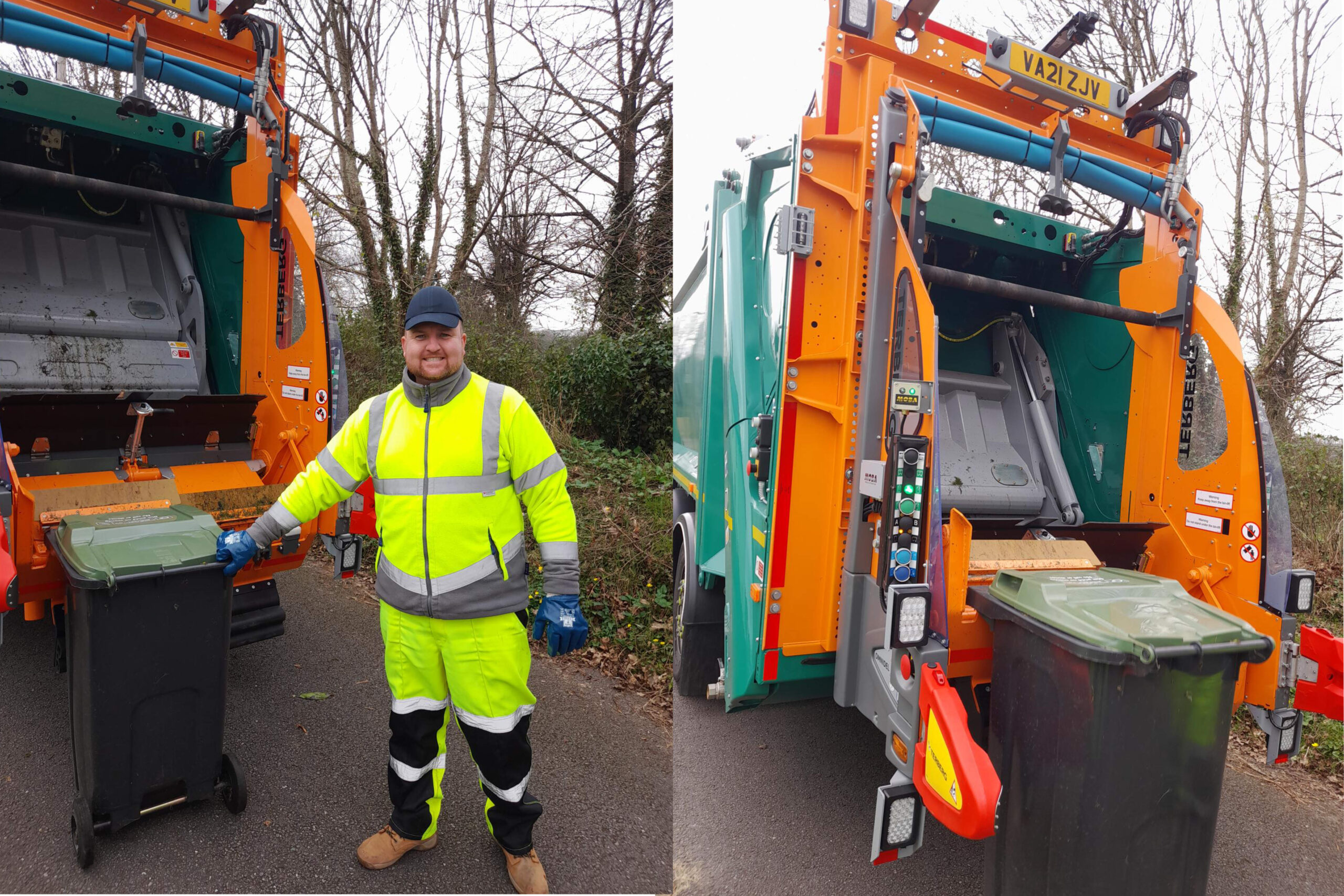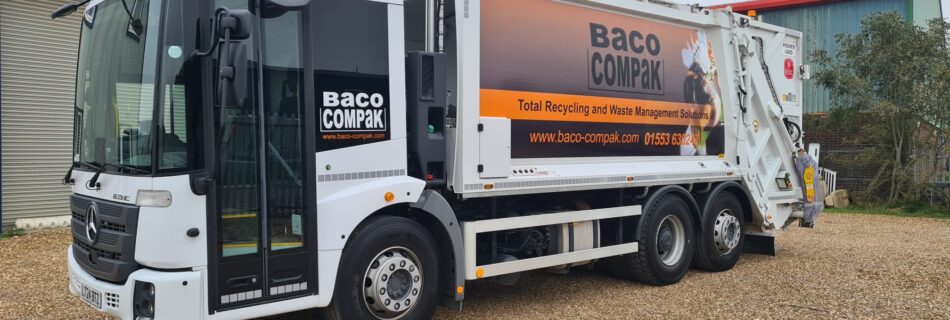
CASE STUDY: Although this is our first truck fitted with MOBA equipment, it certainly won’t be our last

CASE STUDY: Although this is our first truck fitted with MOBA equipment, it certainly won’t be our last

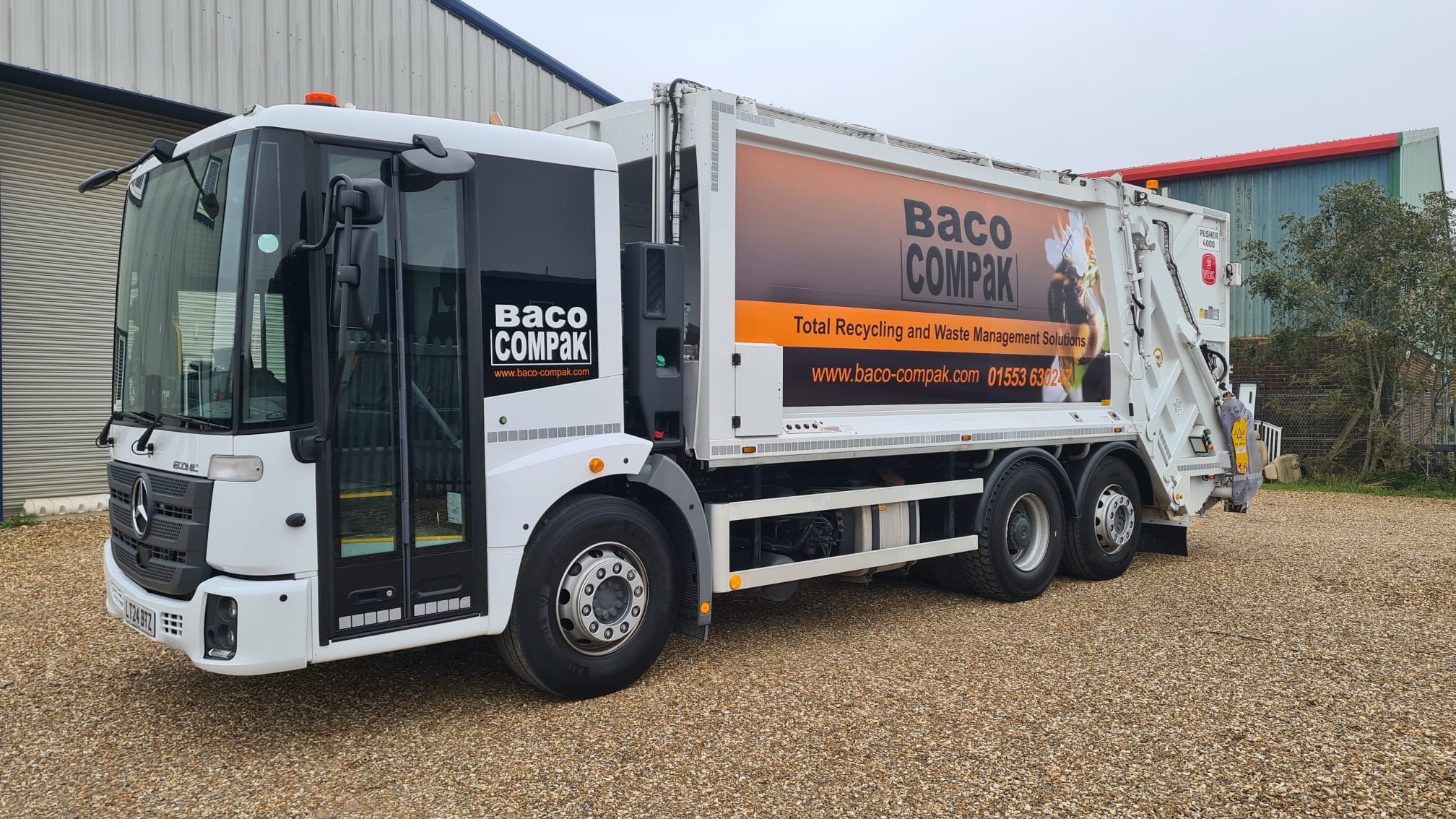
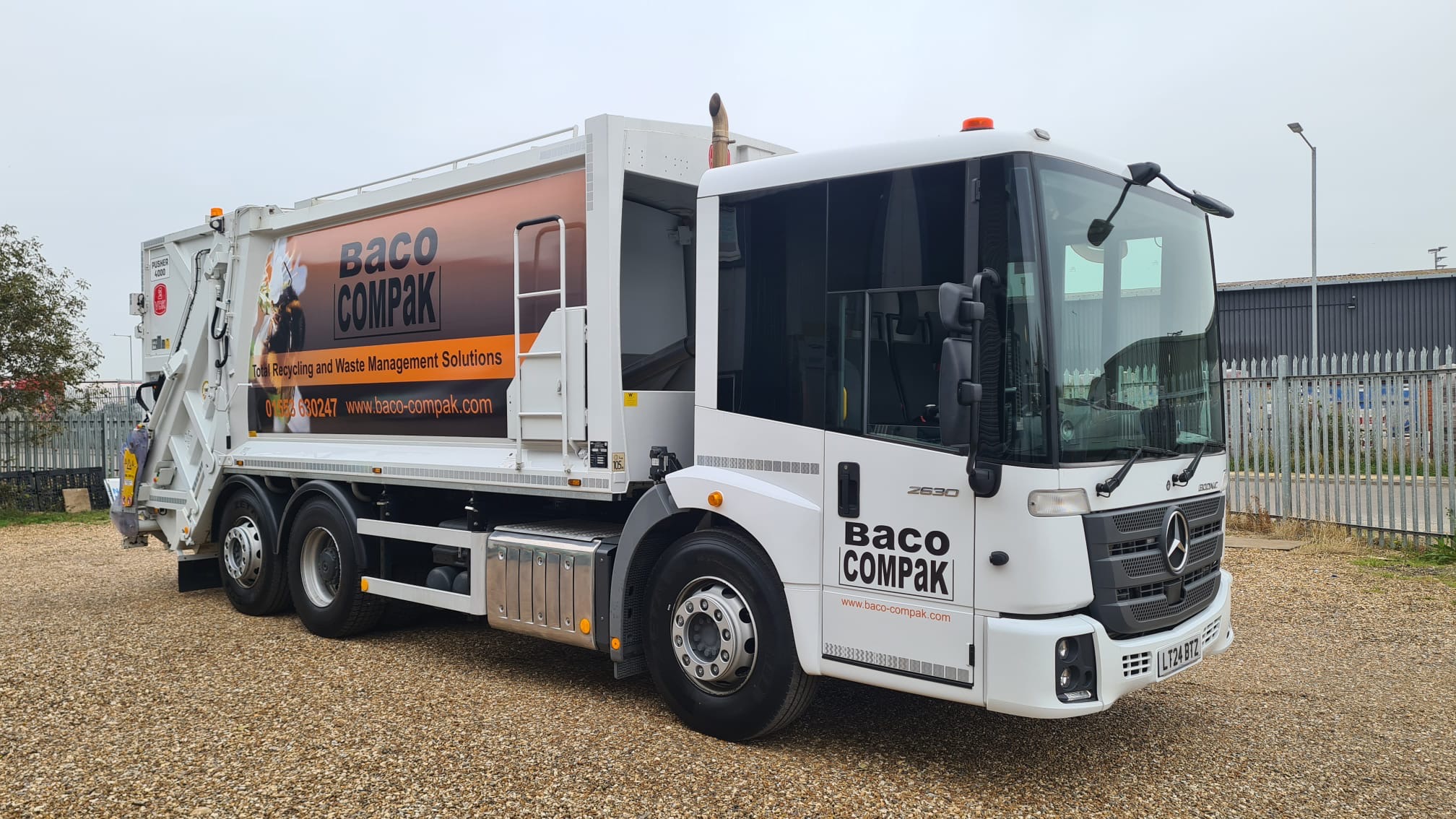
East Anglia-based Baco-Compak switched to MOBA’s Dynamic Weighing and was so pleased with the change it says it would ‘recommend MOBA to everyone’.

“We’ve been using the MOBA equipment for some time now and we’ve been impressed by its reliability and accuracy”.

Patrick Chapman, Transport Manager, Baco-Compak

With waste data becoming ever more important, along with a need for greater transparency, Baco-Compak relies heavily on the accuracy and durability of its on-board weighing systems fitted to its trade vehicles. Its customers rely on this data to track recycling rates whilst Baco-Compak uses the data as the basis to generate invoices. Inaccurate weighing could result in discrepancies between the actual weight of a bin and the amount charged, which may impact on Baco-Compak’s profitability.

The company was growing dissatisfied with its current on-board weighing. Aside from poor reliability, the equipment was also wildly inaccurate.

“Typically for each collection, we would provide the customer with a receipt showing the weight of the bin”, says Patrick Chapman, Baco-Compak’s Transport Manager. “Frustratingly, with the old weighing equipment we just couldn’t do this as it would grossly underestimate the weight of the bin.”

Having previously opted for price over reliability, Patrick now realised that this was false economy and turned to MOBA for help.


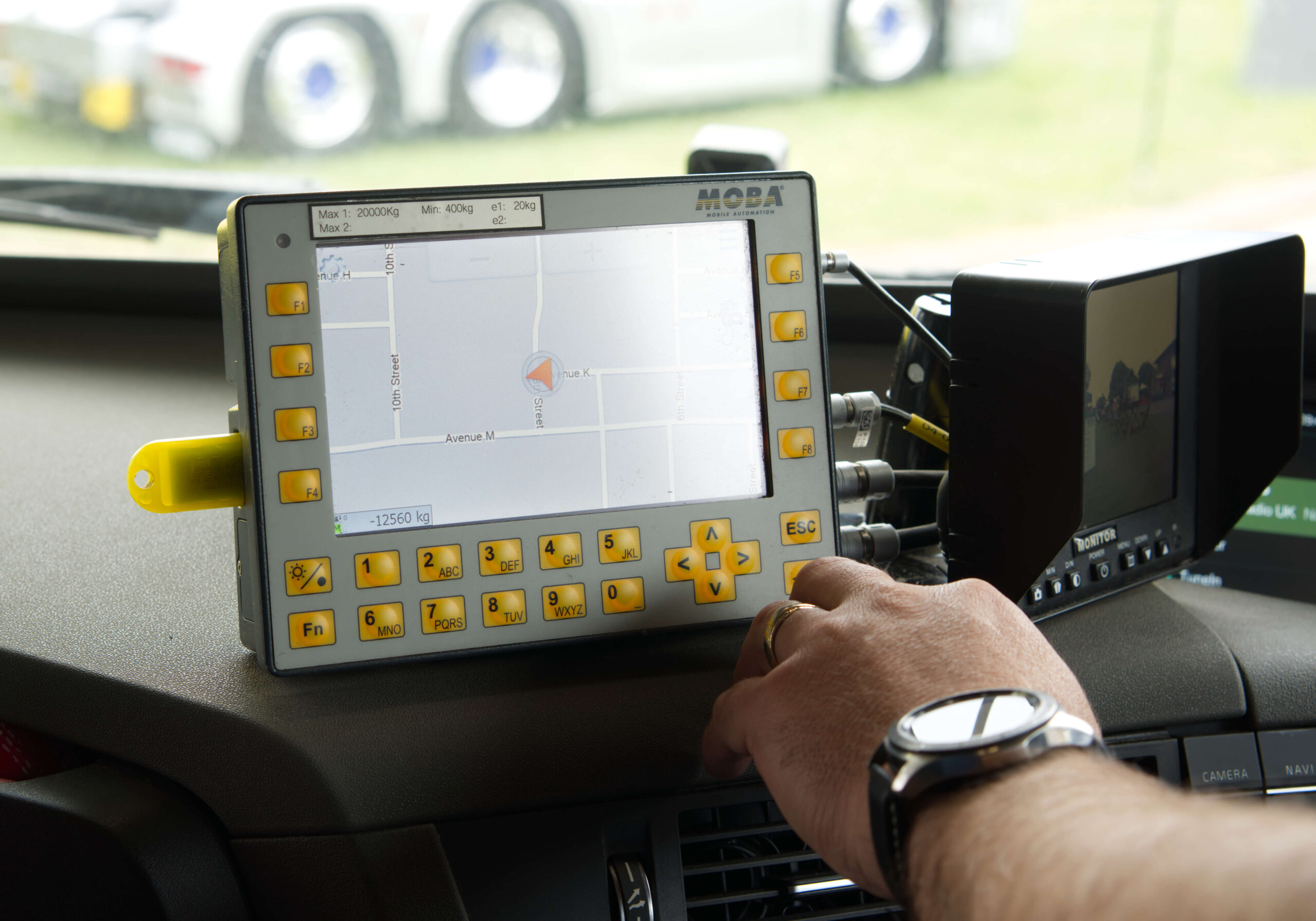
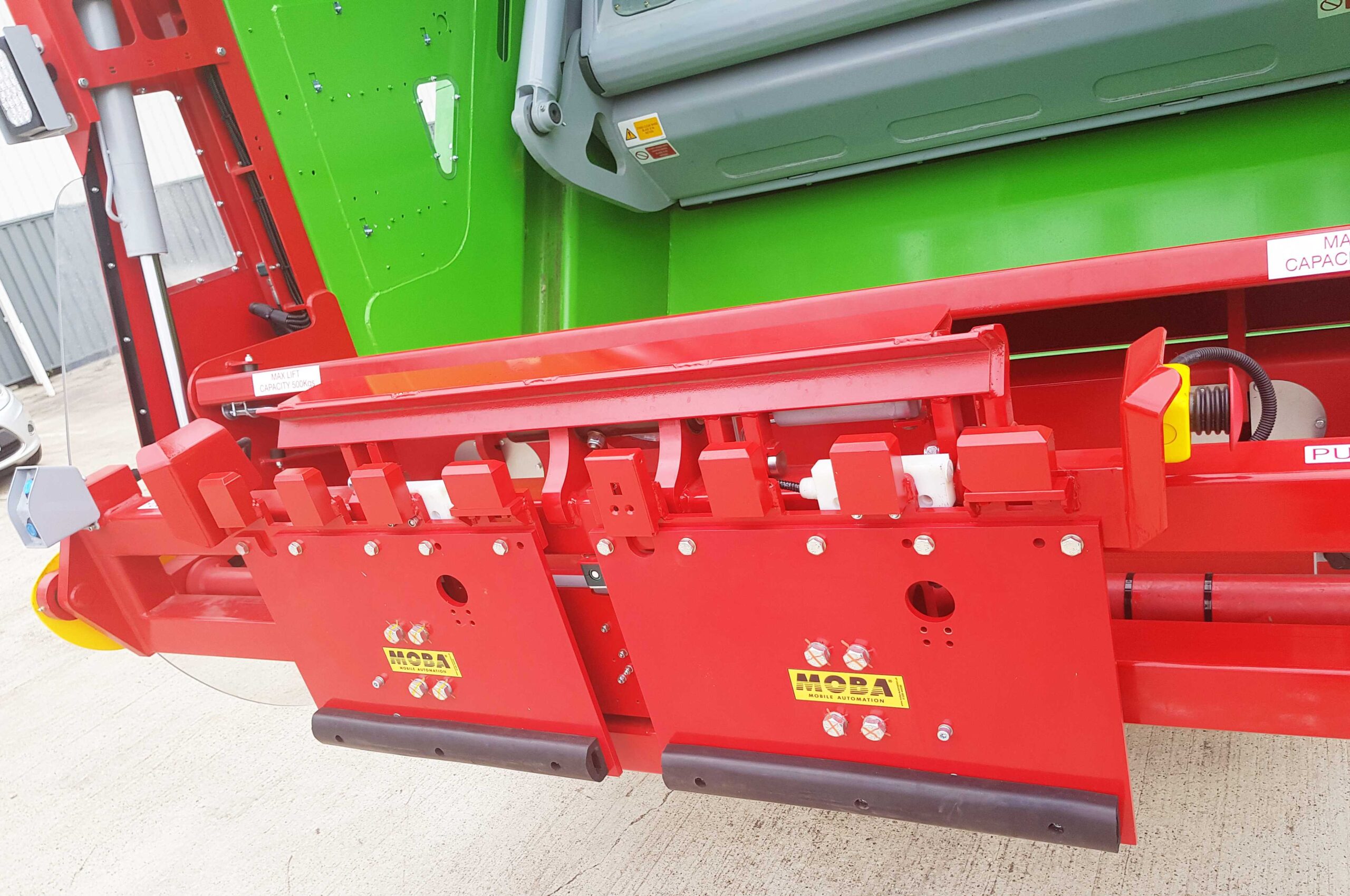
After first identifying Baco-Compak’s needs, MOBA recommended its Dynamic Weighing technology, Overload Protection and an in-cab printer. Once the quote was approved, the rear loader was transferred to MOBA’s workshop where the technology was fitted.

“The whole process went really smoothly, and the vehicle was delivered back to us on time and on budget”, says Patrick.

“We’ve been using the MOBA equipment for some time and we’ve been impressed by its reliability and accuracy. There have been some snags in pairing up the software with our back-office but these issues have been successfully resolved remotely and we haven’t yet needed any assistance on the mechanical side”, added Patrick.

Baco-Compak customers now, once again, are receiving accurate paper receipts from MOBA’s in-cab printer and all parties can now rely on the data generated.

Patrick says, “Although this is our first truck fitted with MOBA equipment, it certainly won’t be our last. We have already asked MOBA to quote on a second vehicle and, given the great experience we’ve had, I would definitely recommend MOBA to every waste management company”.

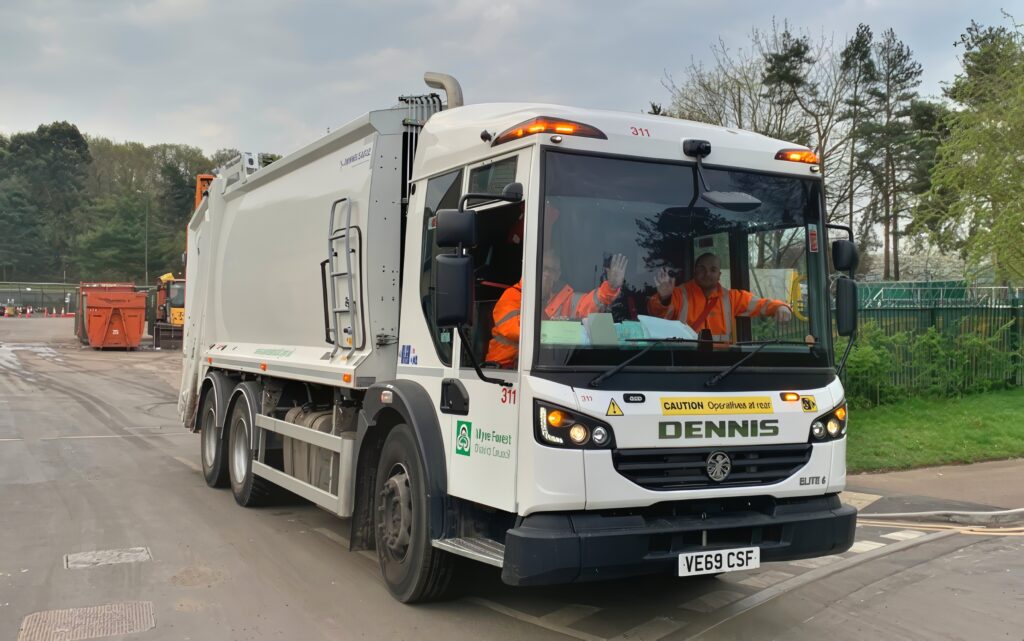
CASE STUDY: Wyre Forest Council employs Bin weighing to help it reduce costs and boost recycling MOBA

CASE STUDY: Wyre Forest Council employs Bin weighing to help it reduce costs and boost recycling

MOBA bin weighing will give Wyre Forest Council the ability to charge for overweight bins whilst also helping its customers to reduce their amount of residual waste and increase their recycling.

“Bin weighing will give us the ability to charge for overweight bins whilst, at the same time, helping our customers to reduce their amount of residual waste and increase their recycling".

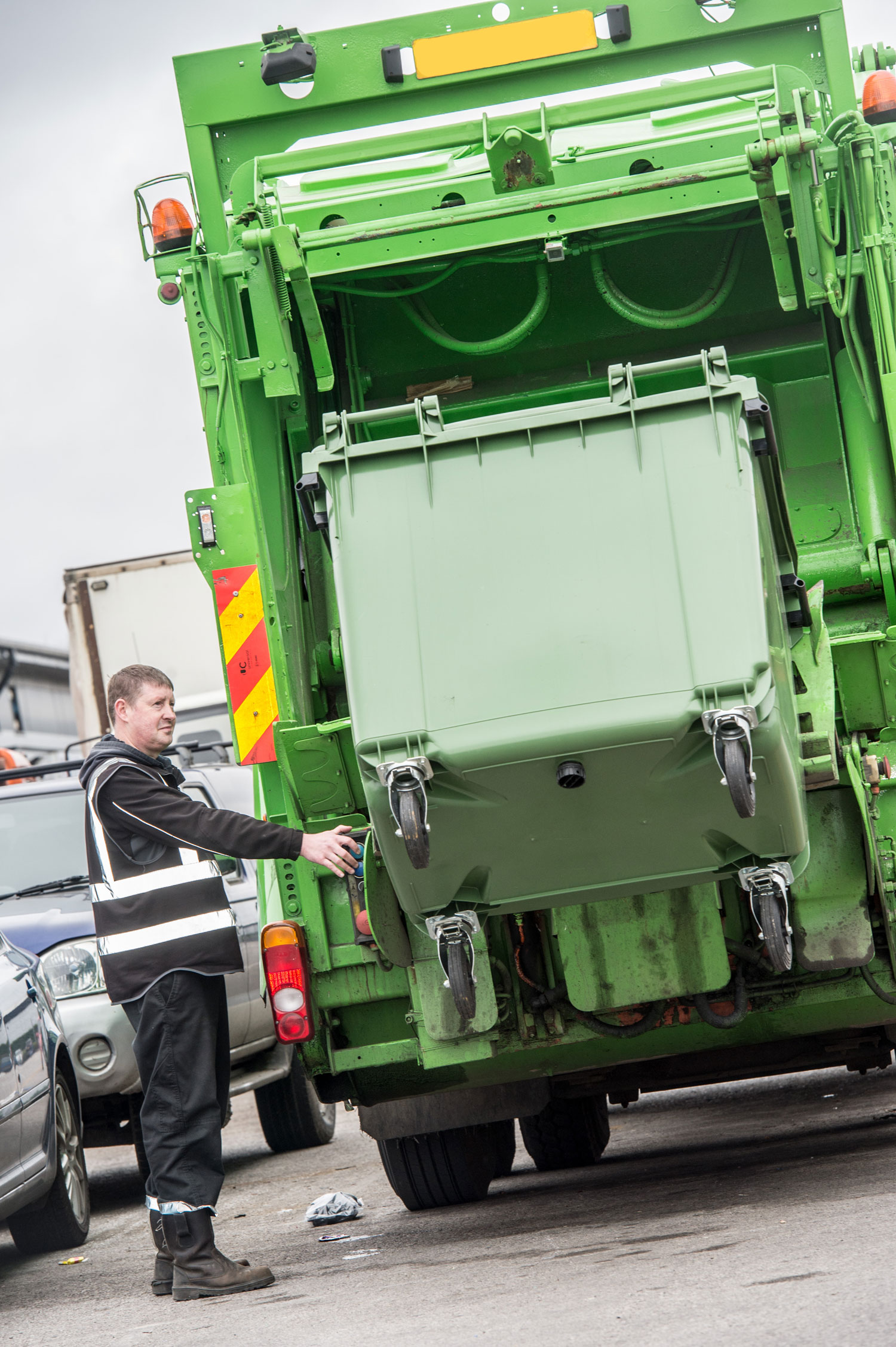
As well as collecting residential waste, Wyre Forest Council also has a flourishing business waste service. Recognising the growing need to offer its trade customers a more transparent service, the Council tendered for onboard weighing and RFID, so that they could accurately identify and weigh each bin collected. This would give the Council the ability to take action on over-filled bins and provide customers with powerful data to help them improve their recycling rates.

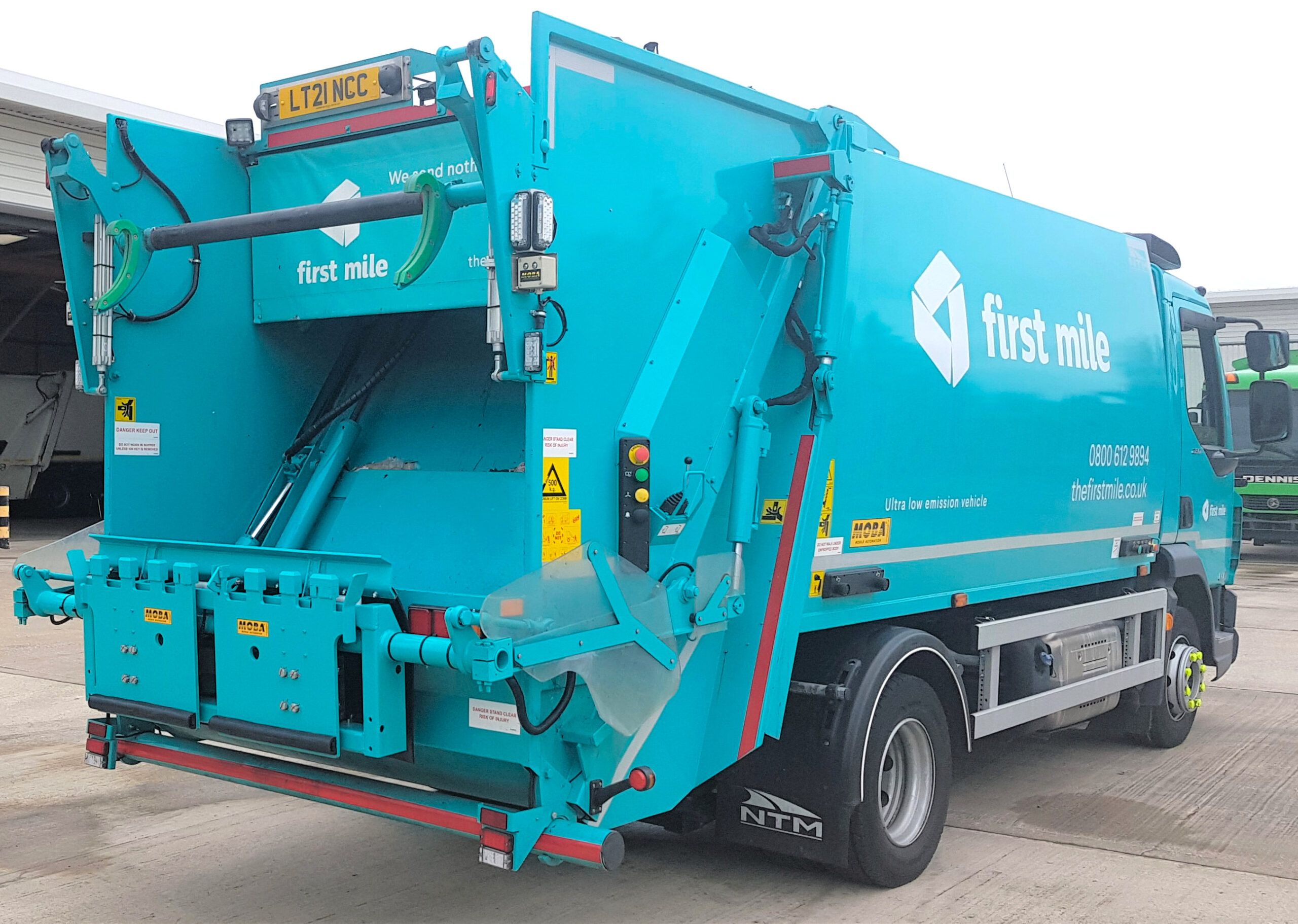
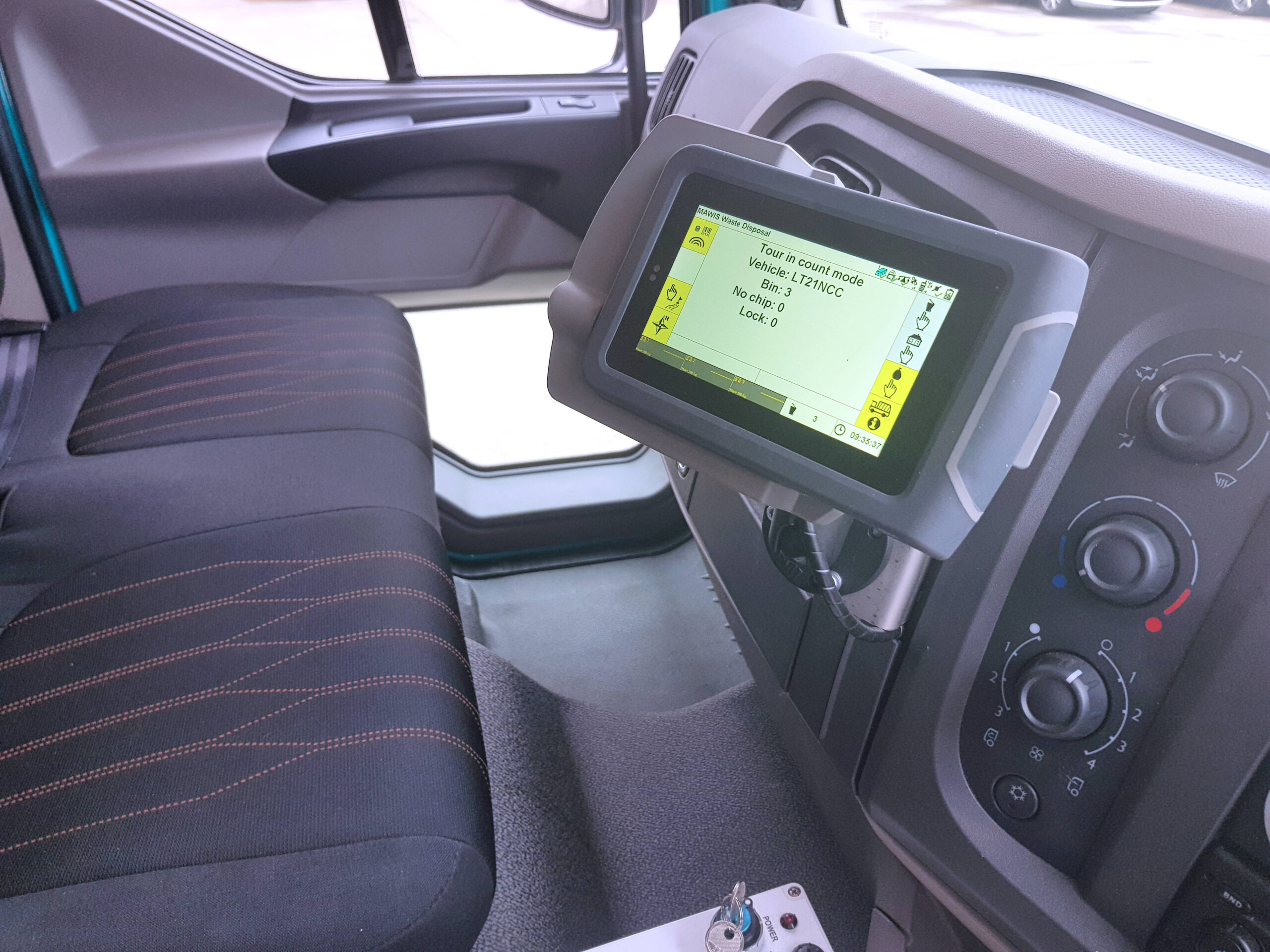
MOBA were successful in winning the business and have since fitted three existing rear loaders with Dynamic Weighing and RFID. The Council is also in the throes of fitting each of their customers’ bins with RFID tags. MOBA also fitted each vehicle with a mini-Operand device and its powerful MAWIS back office.

“Bin weighing will give us the ability to charge for overweight bins whilst, at the same time, helping our customers to reduce their amount of residual waste and increase their recycling,” said Jim Balcon, former Commercial Manager at Wyre Forest District Council.

“We are still in the stages of rolling out the MOBA technology, but the projected figures suggest we should be able to recoup the costs quickly when it is fully operational”, added Jim.

Precise load weighing for delivery trucks

Precise load weighing for delivery trucks

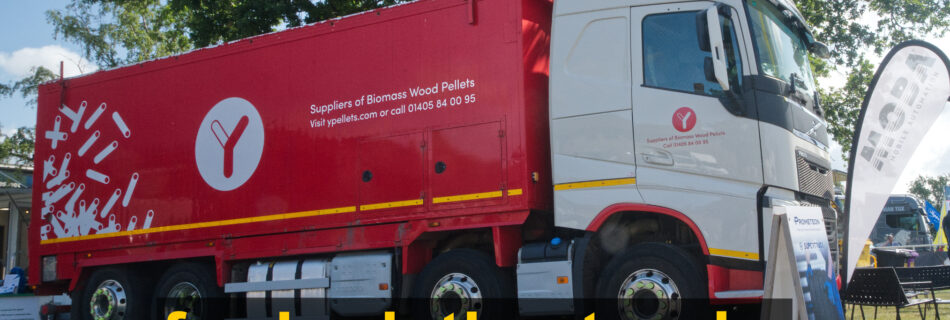
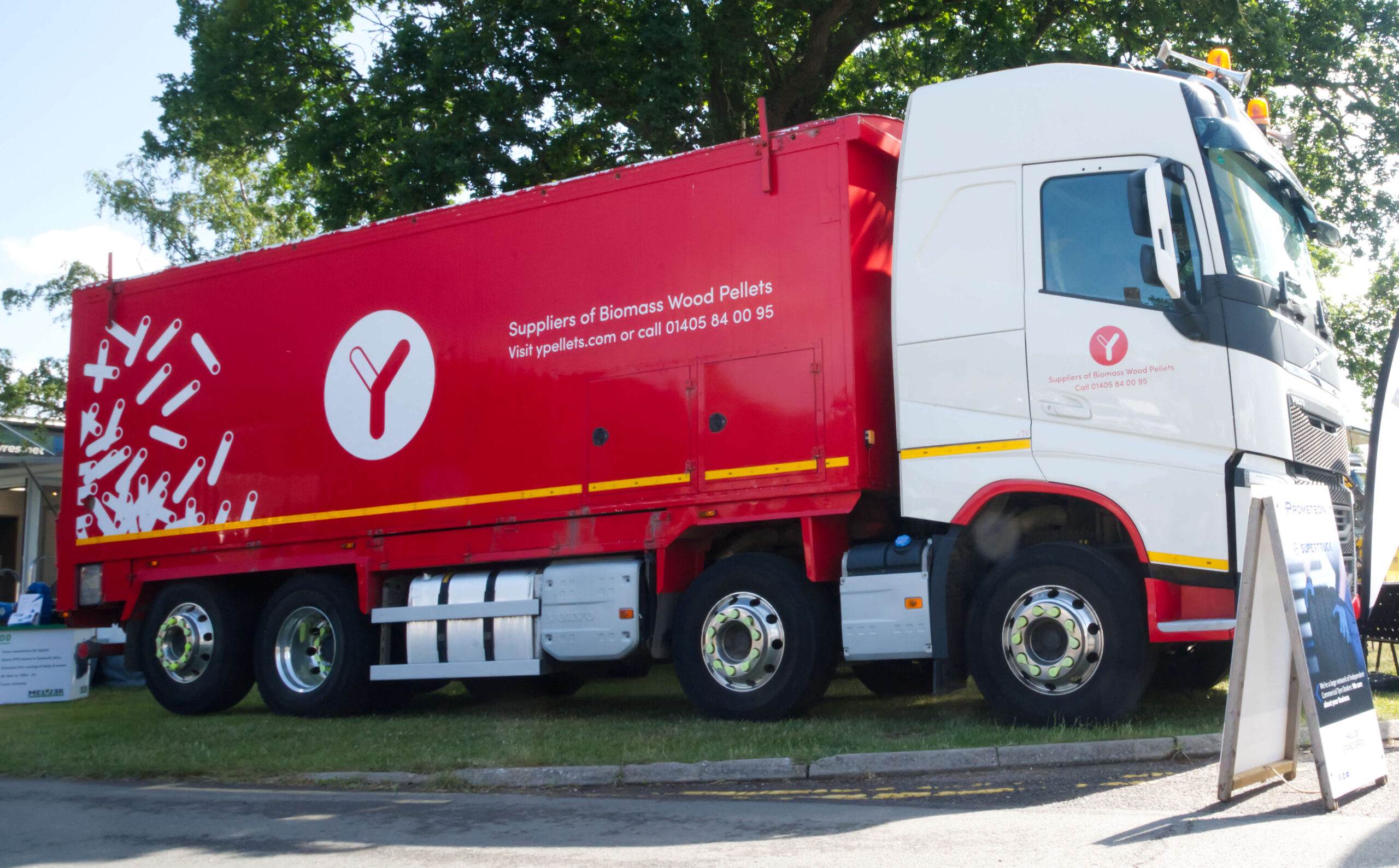
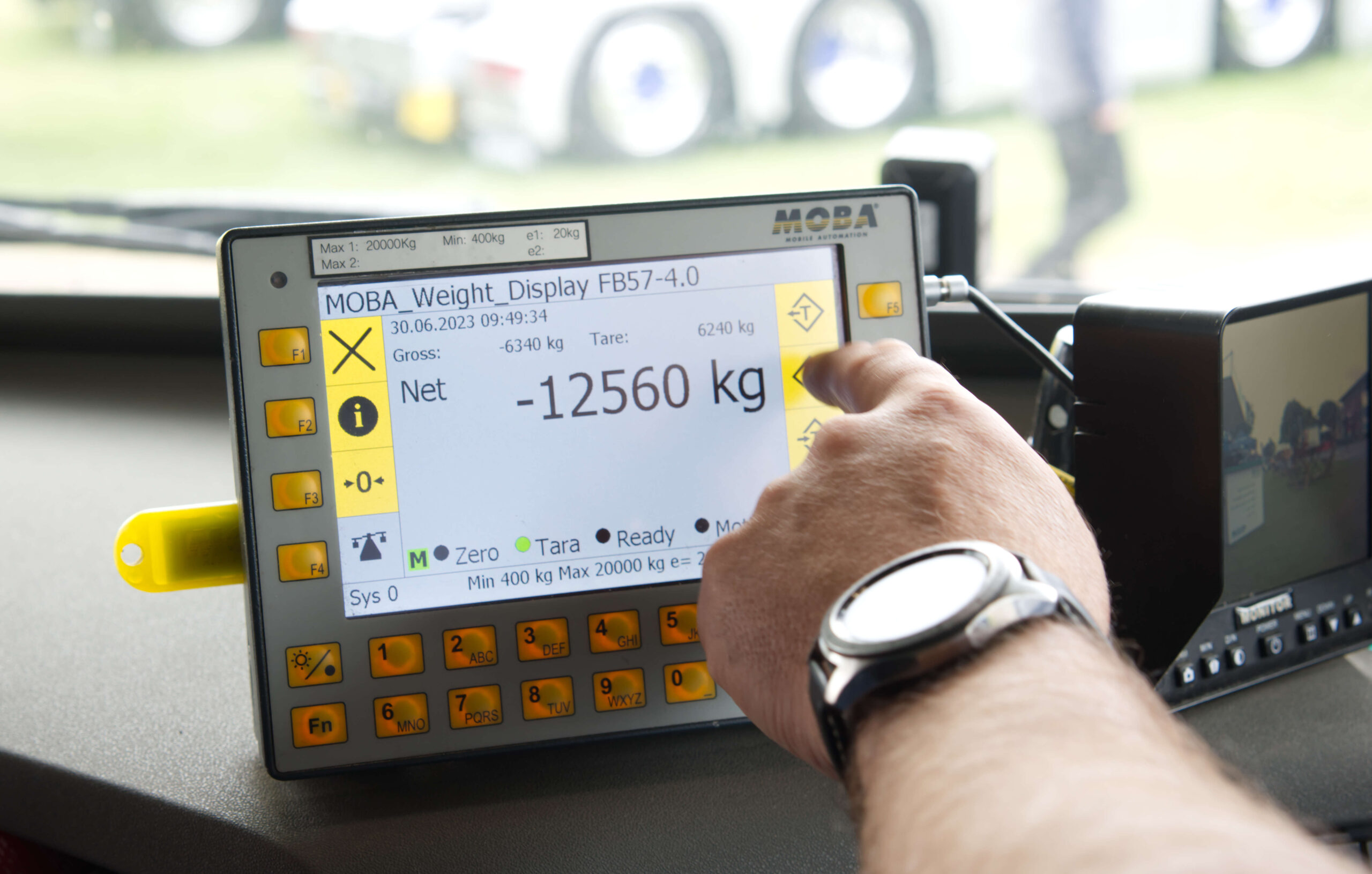
This impressive pellet delivery truck from Y Pellets is equipped with MOBA’s on-board, approved system. This not only measures the weight of pellets on board at any one time, but also allows the driver to precisely deliver what their customer’s order.

Y Pellets came to us looking for a solution to enable them to precisely weigh the amount of pellets on board whilst, at the same time, accurately weight the amount of pellets delivered to each customer.

This is achieved through our Approved Underbody Weighing System, which not only ensures that their customers gets exactly what it they have ordered but also documents the delivery, both physically and over air to their back-office system.

Coming soon, to add to this highly efficient system, is a hand-held remote control device that will enable the driver to both control the delivery process as well as monitoring the weight of pellets being dropped off at the customer.

CASE STUDY: Collection data enables First Mile to go that extra yard

CASE STUDY: Collection data enables First Mile to go that extra yard

After an initial trial, First Mile liked MOBA’s offering so much it has now ordered a further twelve bin weighing and RFID systems.

“Overall, we were very impressed with both MOBA’s hardware and software, and how well it integrated into our legacy systems".

Progressive waste management companies these days are not only focused on collecting rubbish, but also the valuable data that they can extract from every lift. This is now precisely the case for First Mile, the UK’s fastest growing recycling and circular economy business.

Now, thanks to extensive waste data collection and analysis, greater insights about the behaviour of its customers are now being revealed.

“Data is priceless”, says First Mile’s Transport Manager, Michal Szuminski.

“It gets to the very heart of what our customers are asking us to collect and will help us shape the way we operate going forward. However, to obtain this, we knew that we needed to invest in technology solutions that would both scale with our growth expectations and be flexible enough to adapt to how our collections crews operate”, added Michal.

Established in 2004 by Founder and CEO Bruce Batley, First Mile carved a niche in the recycling market after recognising that businesses in the London area were looking for a more environmentally responsible waste collector. Now, with more than 30,000 clients, the company offers 23 recycling services, reliable collections with flexible times, zero-to-landfill guarantee, 24/7 customer support and detailed recycling reports.

Although around ninety per cent of its customers rely on bagged collections, First Mile has been actively growing its wheeled bin business, and consequently is also expanding its fleet of refuse collection vehicles.

“We have around 80 vehicles in the fleet, with 60 of these being HGVs”, explains Michal. “Operating the most efficient fleet, that is equipped with the most up-to-date technology, has always been at the core at what we do at First Mile, and so it made sense for us to add bin weighing and RFID”, added Michal.

Waste disposal is, like for every other waste collection business, a major variable cost. Overfilled bins not only damage vehicle lifters but also the company’s bottom line, unless kept in check. Identifying the ownership of overweighed bins then enables the waste contractor to tackle the issue through education and the supply of additional bins for heavier items such as glass or food waste.

“We were very aware of MOBA, since they are a major force across Europe and come with a reputation for robust hardware and great user-interfaces,” says Michal.

Starting with two trucks, fitted with MOBA’s Dynamic weighing and RFID systems, and over 100 hundred MOBA-chipped bins, First Mile were able to experience at first hand the quality of the components, the effectiveness of the systems and the support back-up provided by MOBA.

“We’re typically cautious when beginning a relationship with any new supplier and so, in these early stages, we were very mindful how MOBA took care of us as well as its equipment fitted to our trucks”, explained Michal.

After a year of testing the equipment, analysing the data is was generating and observing how the crews worked with the technology, First Mile has now placed an order for a further set of mobile weighing and RFID systems for each of its twelve new trucks that will come off the production line later in 2022.

“Overall, we were very impressed with both MOBA’s hardware and software, and how well it integrated into our legacy systems”, says Michal. “Obviously, there were initial technical issues but we liked how MOBA were able to help us resolve these and support us through the first phase of our relationship. Moreover, the data that we’re now able to generate is providing us with a much greater insights into customer behaviour which will help us better shape new strategies for the future”, added Michal.

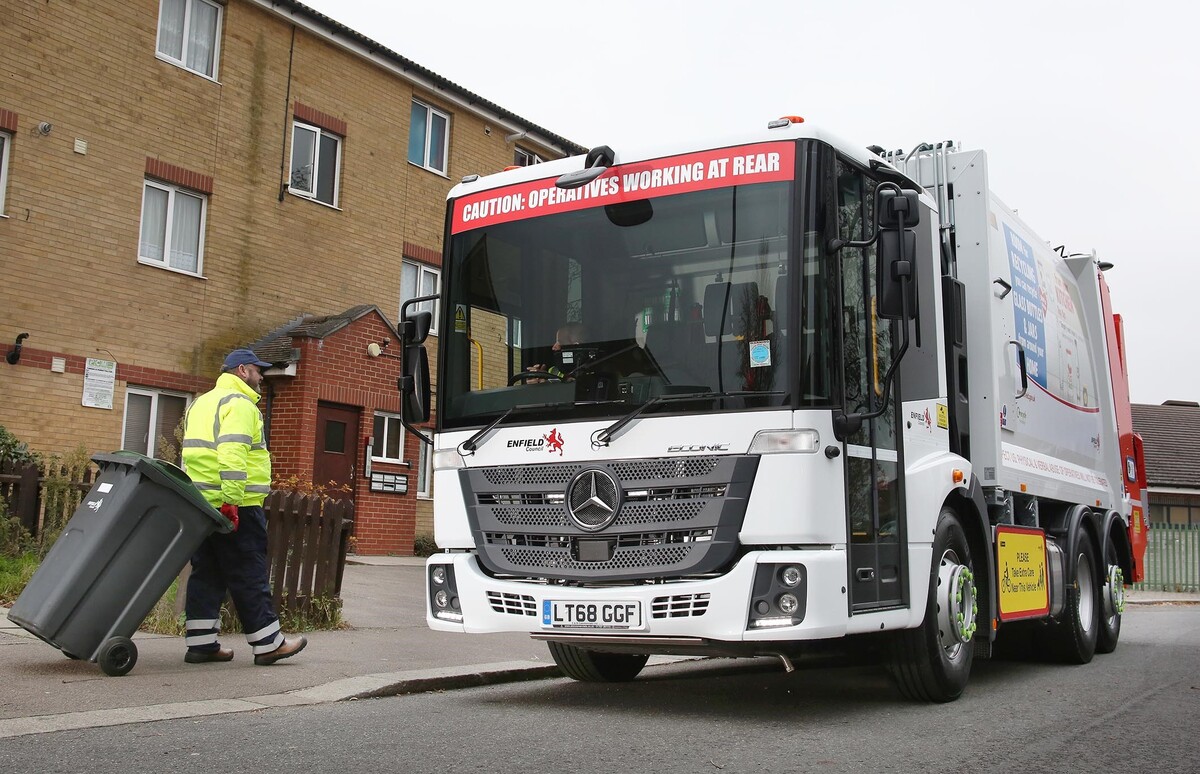
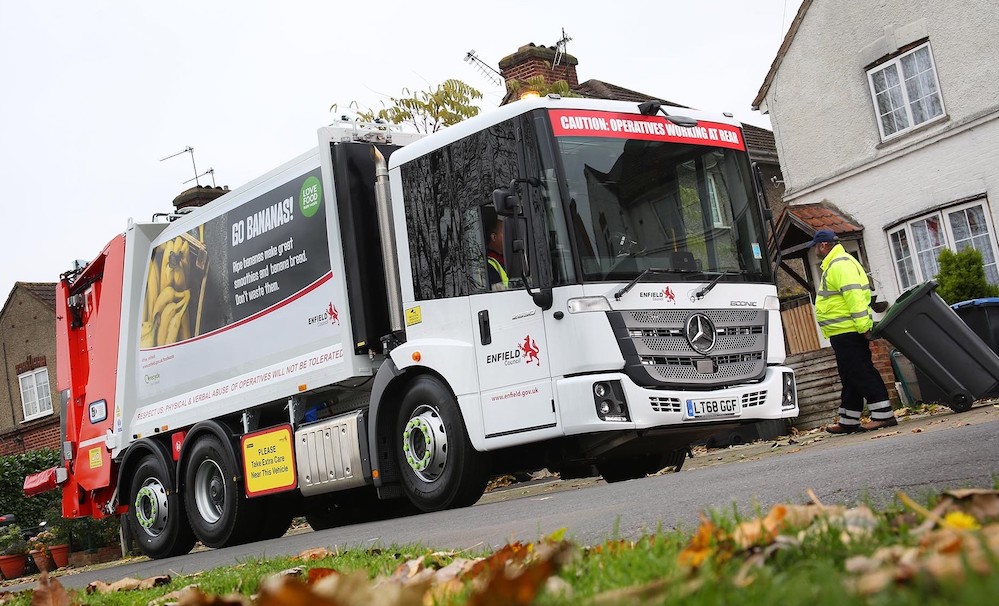
CASE STUDY: Enfield Council weighs up the benefits of MOBA technology

CASE STUDY: Enfield Council weighs up the benefits of MOBA technology

“The investment in MOBA’s equipment is already paying dividends. In addition to eliminating vehicle and bin damage, and the extra services we can provide customers, bin weighing is also keeping a check on the profitability of our contracts. The ability to access data that demonstrates that the cost of disposal is lower than the price of collection is extremely valuable”

Bin weighing technology is fast becoming a must-have requirement on waste trucks as both public and private sector collection companies appreciate the many benefits that it offers.

The scourge of overweight bins is an issue that all waste collectors are having to address. Their impact to the bottom line could be considerable without proper checks and balances but there is also the matter of the damage that they can cause to the waste vehicle’s lifting mechanisms.

“Bins that are filled above their contractual weight not only damage the bins themselves but also, more importantly, the bin lift frame, says Julian Minta”, Head of Fleet at Enfield Council. “Once a lift is attempted, the bin also invariably then ends up in the back of the truck. The consequence of all of this results in disruption of service and thousands of pounds worth of repair bills”, added Julian.

“Since we’ve been using MOBA’s dynamic bin weighing and RFID systems, however, we’ve experienced very little damage to our vehicles, or bins, from overloaded containers, resulting in substantial savings”, explains Julian.

Back in 2018, when Enfield Council overhauled its domestic and commercial waste collection fleet, future-proofing was a major consideration and, in particular, a way of identifying overloaded bins.

Having comprehensively researched the market for suitable vendors, Enfield Council chose MOBA as its preferred supplier of bin weighing and RFID technology.

“Since bin lifts on our new trucks had already been prepared for weighing equipment it was very easy for MOBA to then retrofit their equipment”, says Minta.

What Enfield Council also required from MOBA was the most advanced technology currently available and a responsive service back-up.

“MOBA has access to all the data from our vehicles so they’re able to report problems back to us, sometimes before we even know that there is an issue”, says Julian.

“For example, when we ordered a new batch of commercial bins, that came pre-loaded with RFID chips, MOBA not only identified that some of these chips were faulty but sent their technicians out on our collection rounds to replace these chips as each bin was emptied”, enthused Julian.

“The back-up service is really excellent. We can immediately talk to an engineer over the phone if there are any issues and we also have regular catch up meetings with their sales team. It’s reassuring to know that there is constant hand-holding even though the equipment has already been in use for a number of years”, added Julian.

In the future, Enfield Council will also be able to exploit the wealth of data generated by MOBA’s technology for the benefit of its customers. For example, by analysing bin weight the data could help reduce the amount of residual waste thrown through a combination of better education and providing additional recycling bins. This would be particularly helpful for those customers in the hospitality sector, where a great deal of food waste and glass is generated, both of which substantially add to the overall weight of the bin. The technology will also provide the council with the added ability to charge by weight, should that be a future requirement.

“The investment in MOBA’s equipment is already paying dividends”, says Minta. “In addition to eliminating vehicle and bin damage, and the extra services we can provide customers, bin weighing is also keeping a check on the profitability of our contracts. The ability to access data that demonstrates that the cost of disposal is lower than the price of collection is extremely valuable”, he added.

CASE STUDY: Bin weighing is a commercial “game changer”

CASE STUDY: Bin weighing is a commercial “game changer”

“With MOBA’s RFID, as soon as the bin is presented to the lifter our operators can immediately see if the bin is valid or not, and can stop the lift if it’s not. This means we’re not taking any more waste than we’re being paid for. This will present another massive improvement to our profitability”.
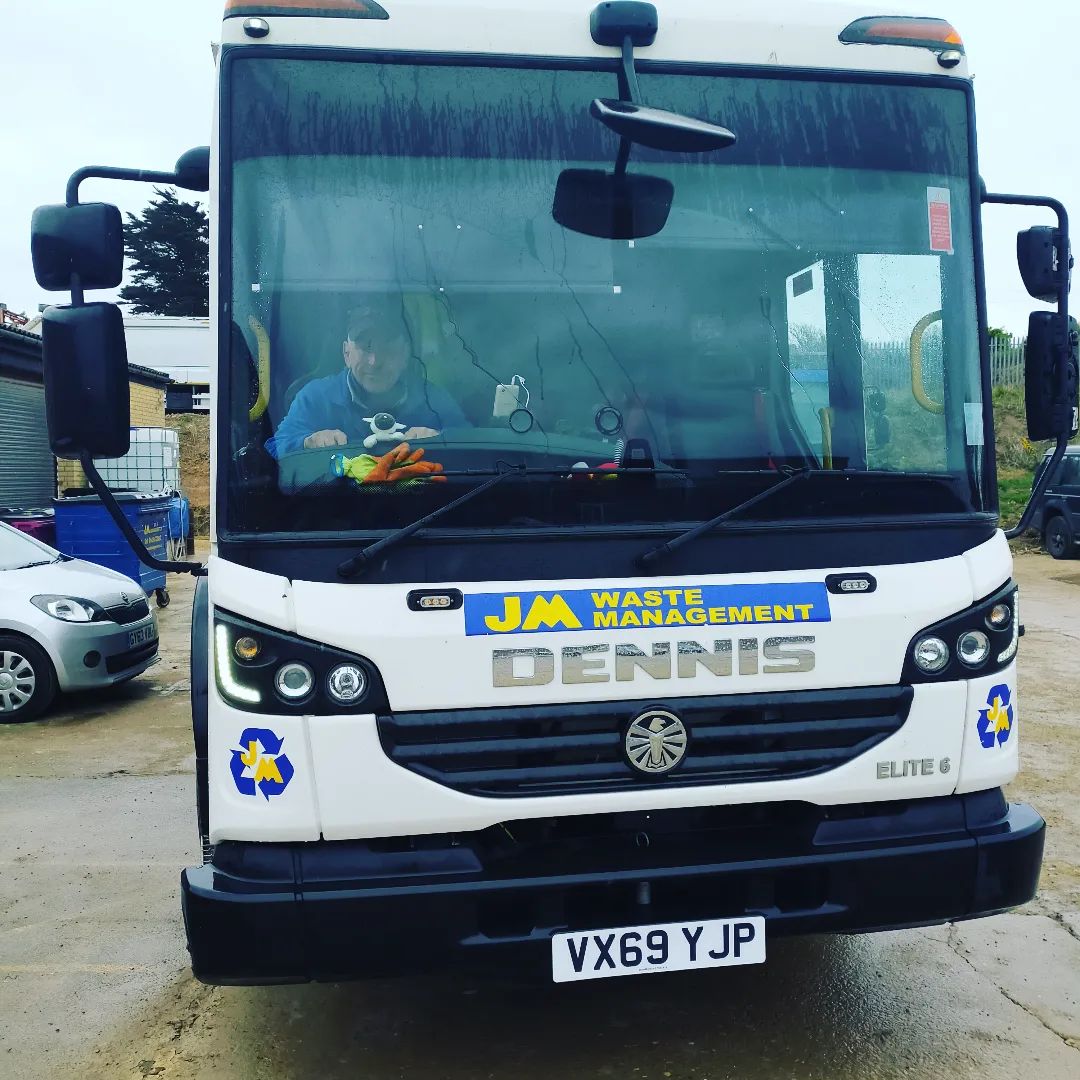
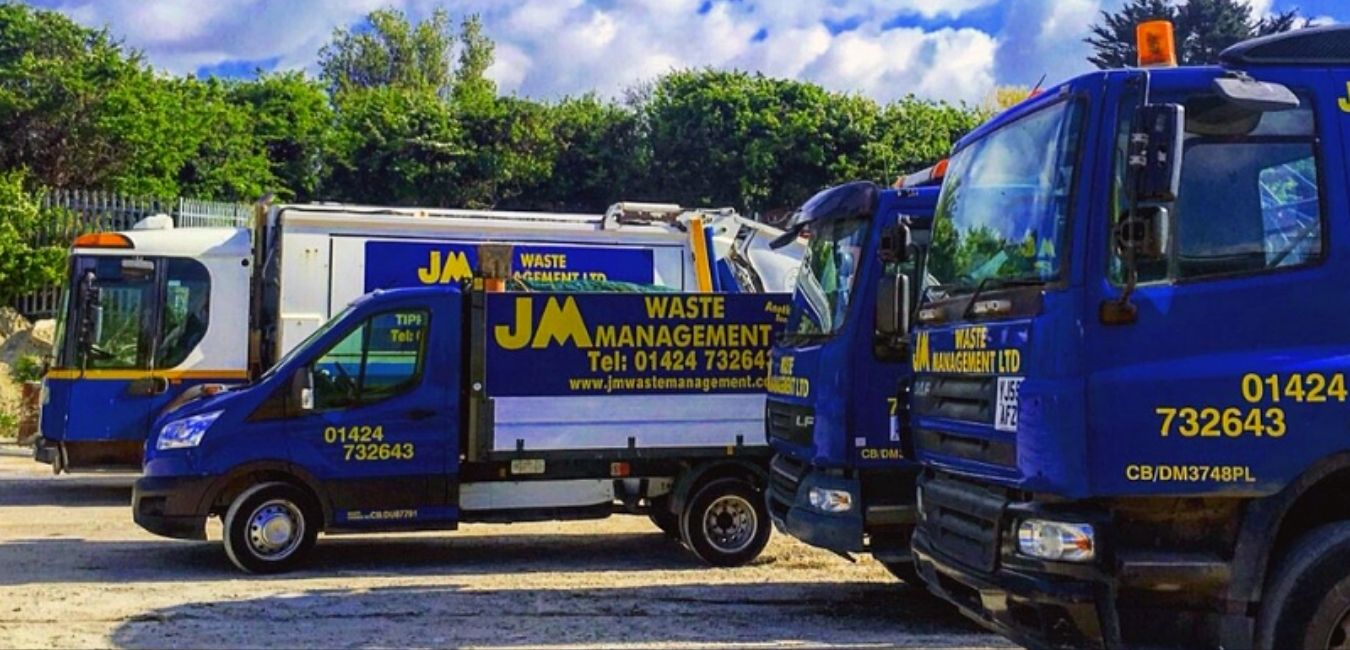
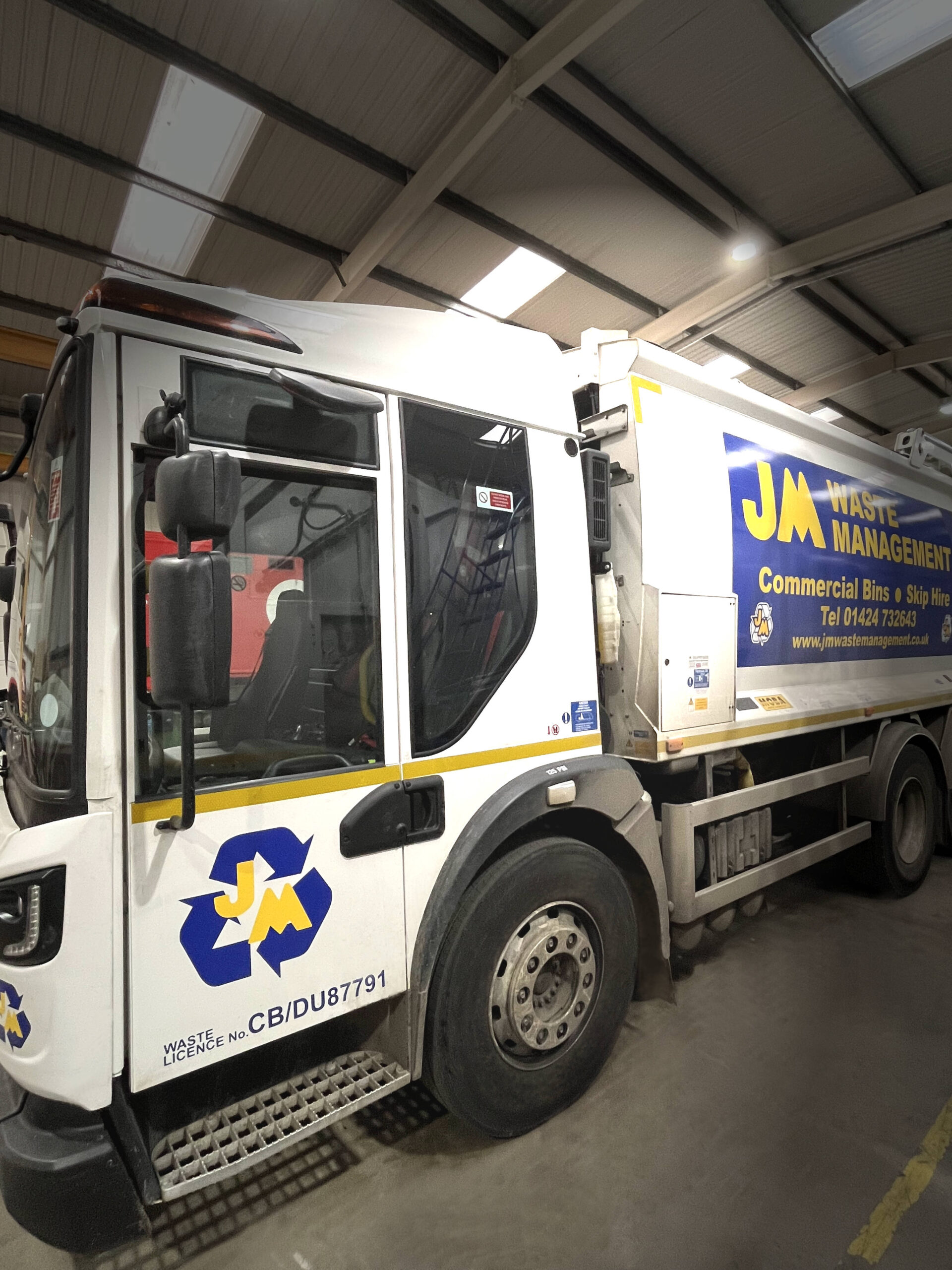
JM Waste Management see greater profitability by eliminating over-filled bins thanks to MOBA technology.

The waste industry has changed immensely over the last decade. Waste management companies are more regulated than ever before which, along with growing tipping fees, means that tight financial management has never been more important.

In tackling the scourge of overweighed bins, JM Waste Management earlier this year brought in MOBA’s mobile weighing and RFID technology and is already seeing significant financial benefits. Dan Stone, the company’s Director, reports that “we’re seeing an immediate 8-10% improvement in margins which is a huge game changer for us”.
Many firms only find out how much waste they’re disposing if they can find an available weighbridge beforehand or, for those that can’t, when the bill comes in after the event. The problem of overweighed bins, therefore, present both serious financial and logistical and issues.
“If the bin lid doesn’t fully close then our operatives can immediately guess that the bin is overfilled” says Dan. “However, up until now we’ve not been able to accurately measure the weight to determine if the customer has exceeded its contracted allowance, and means for each over-filled bin emptied we’d potentially make a loss”.

The company, with its main office in Bexhill and waste transfer site in Eastbourne, provides much of Sussex with a range of waste management solutions including commercial, food, hazardous and clinical waste collection as well as a skip hire service.

Recognising that it needed to address the issue of overweighed bins, the company went about looking for a bin weighing technology supplier.

“We did have an older truck fitted with another brand of mobile weighing but we weren’t happy with either its reliability or the support”, explains Dan. JM Waste Management turned to MOBA, and quickly like their approach and how “What we liked most of all”, says Dan, “is that all of its hardware and software technology is designed, manufactured and installed in-house which, if issues do arise in the future, are more likely to be resolved quicker than if there are multiple parties and products involved”.

The first truck has now been fitted with MOBA’s Dynamic Mobile Weighing and RFID technology, with the latter becoming fully operational once all JM Waste’s bins have been chipped later on this year.

Every binned is now weighed, including any additional loose bags that don’t fit in the bin, with the data accessible immediately. “This not only means we can monitor if weight is exceeded but gives us the ability to be more flexible with billing”, says Dan.

So, for example, if a customer is consistently under its usual 80kg allowance, JM Waste can negotiate a better quote based on the lower amount, which many of its competitors are unable to offer. Similarly, for every new customer it can tailor the contract to its specific waste needs, rather than providing a ‘one-size-fits-all’ approach.

“Being able to negotiate creates a whole new world of opportunities for us based on what the customer wants – this is hugely sellable”, comments Dan.

RFID is coming soon and JM Waste are excited about the benefits it will bring. “Our operatives know the round backwards but they don’t have real-time information about who’s paying and who’s not, or even if they’ve lifted the correct bin” explains Dan.

Reliability and accuracy of the weighing system and the subsequent data is critical and it’s here where MOBA really excels. “If we are presented with disputes over collections, they can be quickly resolved because we’ll have the data to prove it”, enthuses Dan.

Two more brand-new trucks are soon to be added to the JM Waste Management fleet and, with both fitted with MOBA technology, the partnership between these two companies is only likely to grow further.

This story can also be viewed on CIWM.

Real-time data drives service improvements, says DJB Recycling

Real-time data drives service improvements, says DJB Recycling

“Although we looked at a number of vendors, we choose MOBA because of the exceptional build quality of its products and the high level of service it offers”.

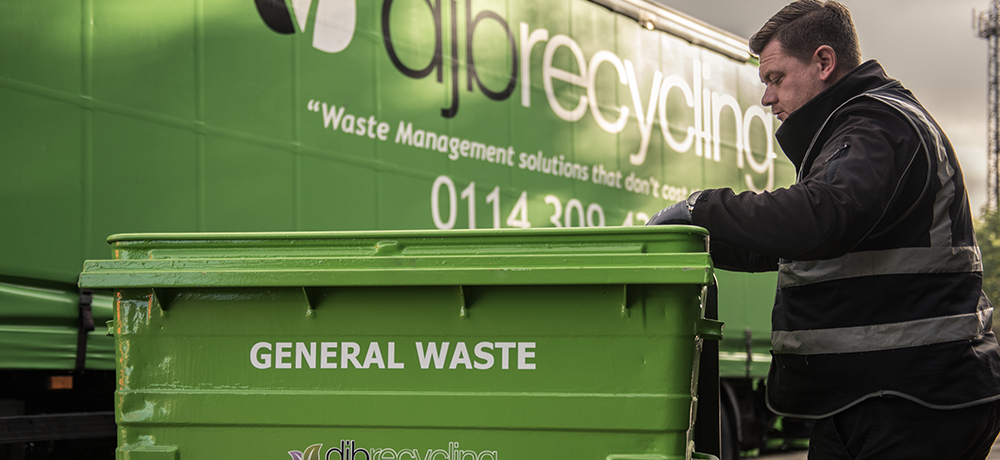
DJB Recycling chose MOBA because of its accurate waste collection data that will help drive its business forward and improve customer service.

DJB Recycling, based in Sheffield, is using waste collection data to not only drive its business forward but also to deliver tangible service improvements for its customers.

Central to this strategy has been its continual investment in both vehicles and technology. With data now having become integral in managing costs and identifying ways to reduce residual waste, the company has relied on MOBA for mobile weighing systems on its vehicles and RFID technology in its bins.

“Accurate bin data is also critical in order for us to analyse both our profit and also identify ways to help our customers reduce their general waste and increase recycling. Achieving this, MOBA never lets us down”, adds Jamie.

DJB Recycling has implemented Pay-by-Weight for all its commercial customers, together with agreed weight limits, which is why reliable and accurate mobile weighing technology is has become a core component of the company’s operational strategy.

“What we really like about MOBA technology is the ability to send real-time data from our fleet into our back-office”, says Andy. “It not only allows us to identify any collection issues before they impact the customer but we can also share the data via our Customer Portal”.

Analysis of bin weight also offers potential opportunities for both DJB Recycling and its customers. “If we regularly see overweight bins then we would work with the customer to identify the reasons. Often its due to heavy items, such as glass or food waste, for which we can then provide separate bins. This both reduces the amount of residual waste and also boosts their recycling”, comments Jamie.

The Investment into chipping every bin, with MOBA’s RFID, is also paying dividends, explains Andy. “If there is an issue with a customer’s account, such as outstanding invoices or if their credit limit has been exceeded, then the system will prevent the bin being lifted. This is then flagged so we can resolve the matter quickly with the client”.

“Above all though, we really appreciate their excellent service” enthused Jamie.”If there is ever an issue we can speak to an engineer quickly, who can then usually diagnose the problem remotely. This means either a quick fix, or if a call-out is needed, the engineer is equipped with the parts needed to make the repair there and then”.

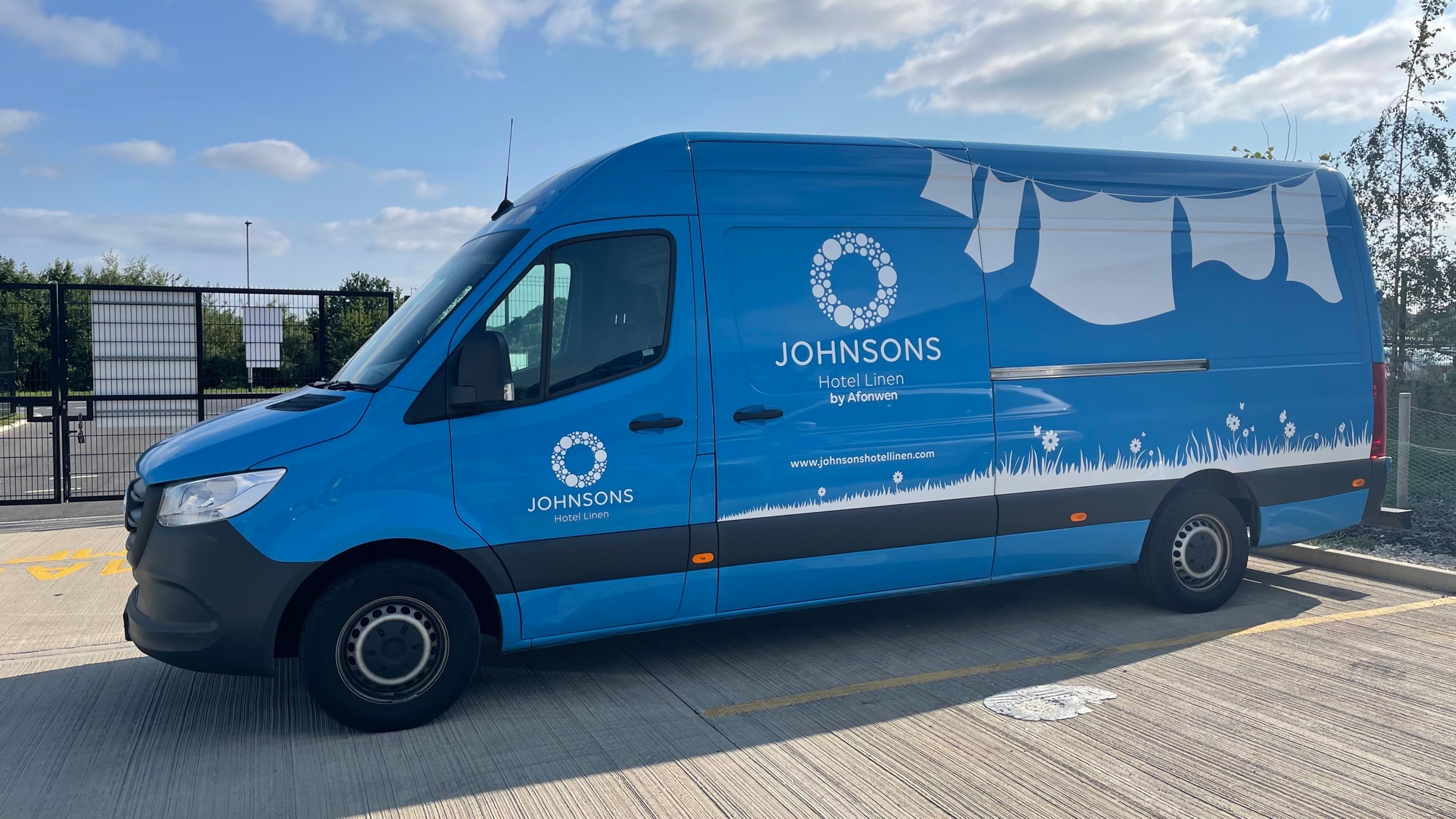
Johnsons Hotel Linen is now guaranteed a full load every time

Johnsons Hotel Linen is now guaranteed a full load every time

“We’re so pleased with the result that we will be fitting ‘Loadcheck’ to the rest of our van fleet so that in the coming year as many as 30 vans will be fitted with MOBA’s overload protection system”.

Overloaded vehicles can have serious consequences for businesses. Which is why Johnsons Hotel Linen has fitted MOBA’s Loadcheck to its fleet of vehicles ensuring its drivers stay within legal limits so that they can operate without any hindrance.

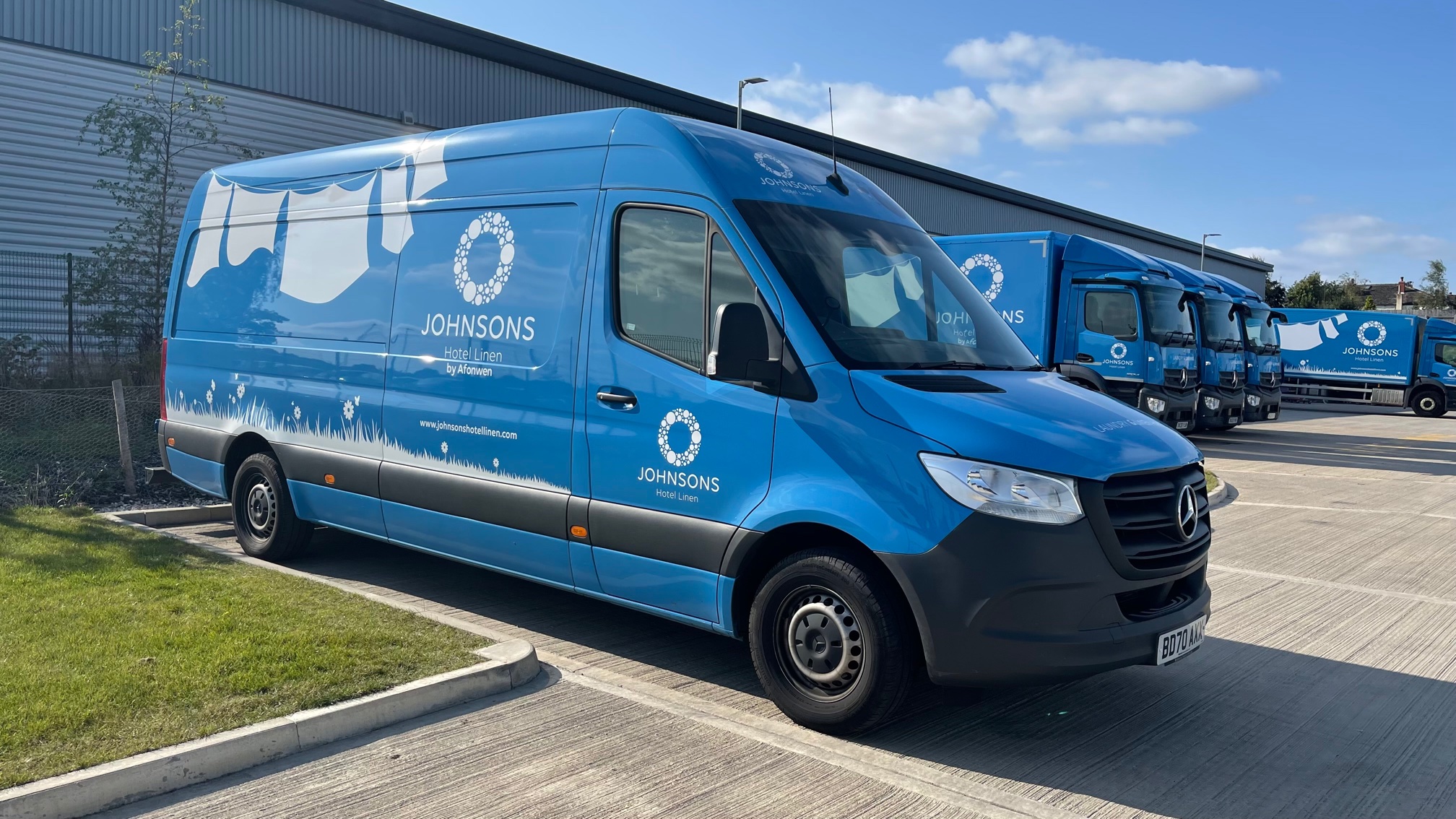
Johnsons Hotel Linen, one of the UK’s largest hotel laundry and linen providers, is now using MOBA’s ‘Loadcheck’ technology to ensure that its vans never exceed their maximum weight.

“The feedback received from the drivers has been enormously positive as they now have the assurance that their vehicles comply with regulations at all times”, says the company’s Transport Manager, Philip Vayro.

One of the biggest challenges for commercial drivers is knowing how much weight is on board at any one particular time and whether or not additional loads can be accepted.

Overloaded vehicles can have serious consequences for businesses. If it’s stopped and checked, and then found to be over the weight limit, a fine or a court summons could ensue. The police officer may also prohibit the vehicle from being driven further, with the owner landed with a further hefty penalty release charge.

The traditional method of accurately checking the weight of the vehicle is to use a weighbridge. However, a detour every time the driver needs to check the status of the vehicle is both impractical and time consuming. Philip Vayro, therefore, needed to find a solution that kept his drivers within legal limits and also enabled them to operate without any hindrance.

Created by the amalgamation of several high-quality laundry businesses including Afonwen, Bourne, Professional Laundry Service and, more recently, Fresh Linen, Johnsons Hotel Linen operates 9 commercial laundries, across the UK, offering a nationwide service, and all supported by a substantial fleet of vehicles.

Philip did a quick web search and contacted MOBA, having seen the company’s ‘Loadcheck’ overload protection system that has been specifically designed for two-axle vehicles.

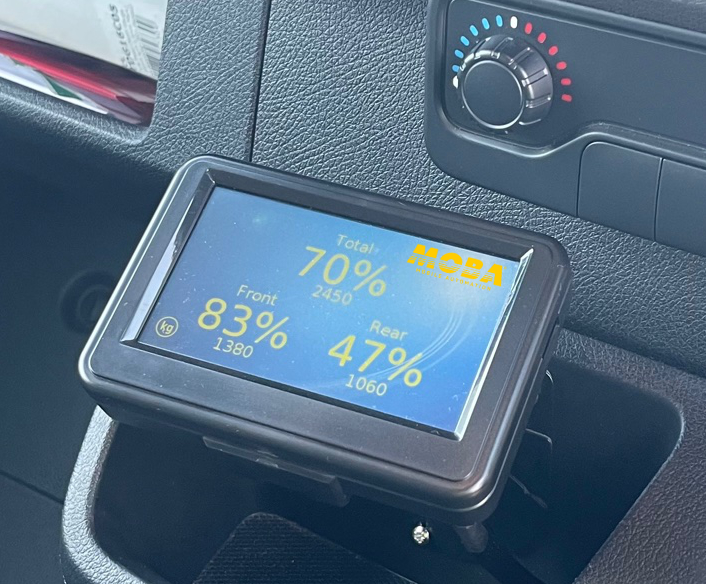
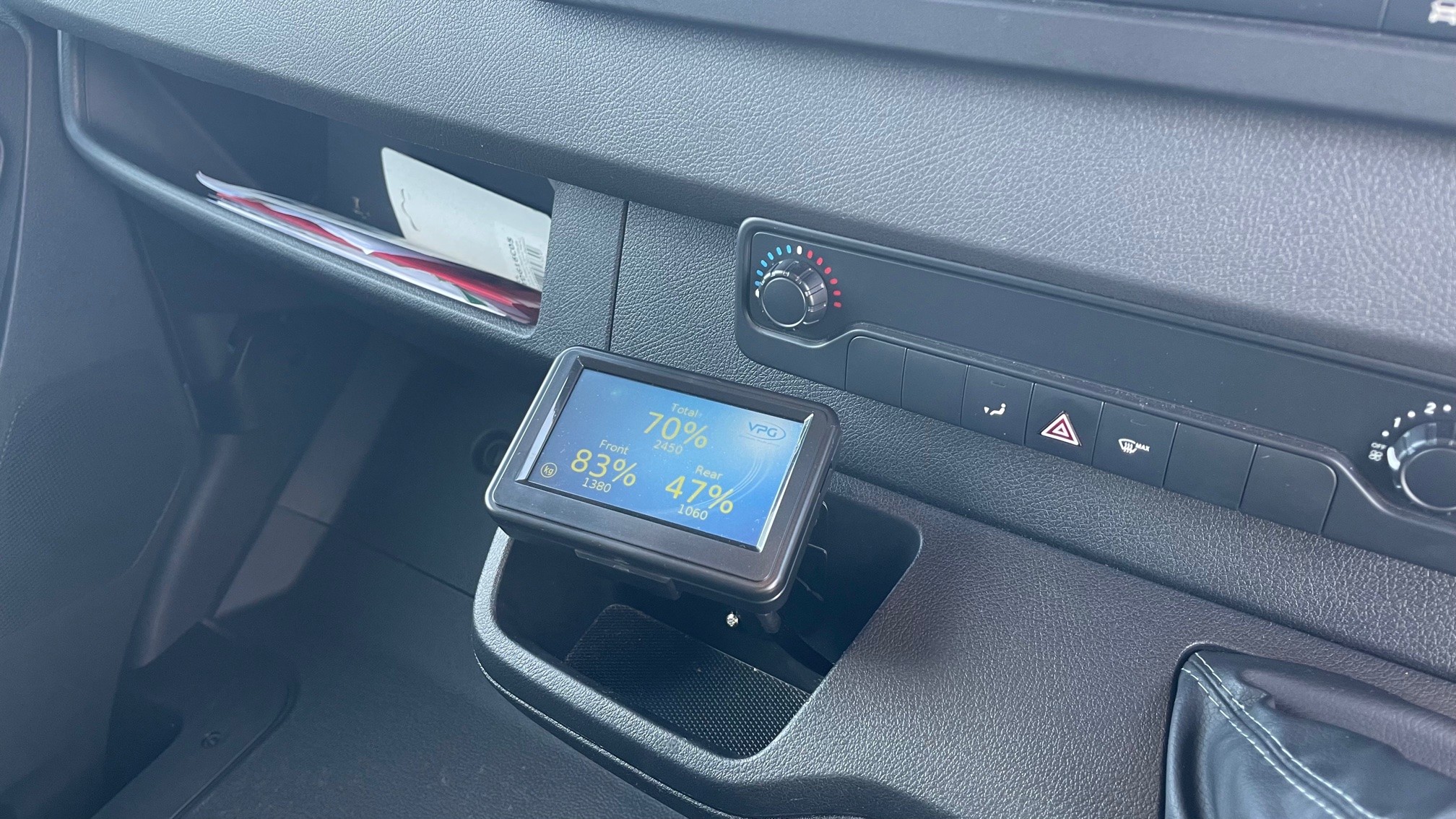
Patented solid-state sensors monitor the load on each axle. The information is then displayed to the driver on the in-cab touch screen showing a choice of views including the actual weight over each axle and the percentage payload versus capacity. The screen will warn the driver if the load has exceeded 90 per cent of capacity and an audible alarm sounds if the total vehicle, or axle weight maximum, is infringed.

So far, two vans have been fitted with Loadcheck, allowing Johnsons Hotel Linen to assess the effectiveness of the system and the impact on the business.

“Taking two of our vehicles of the road, at first, seemed daunting, given that we’re in a busy period for hospitality, but MOBA were able to install and test on the same day so the overall impact was minimal. Not only was the price great, but the service was exceptional”, added Philip.

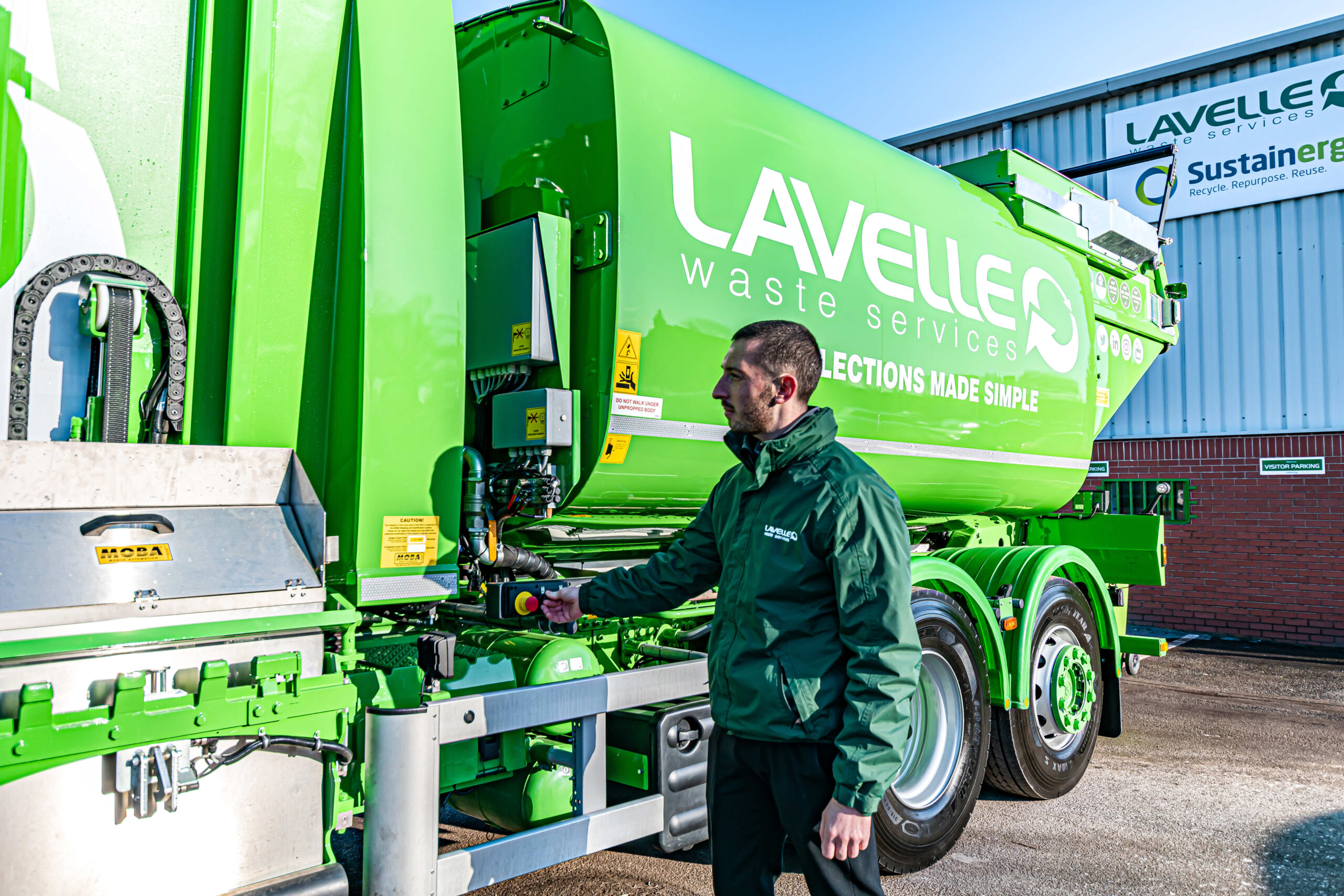
Accurate billing is no longer a weighty issue for Lavelle Waste Services

Accurate billing is no longer a weighty issue for Lavelle Waste Services

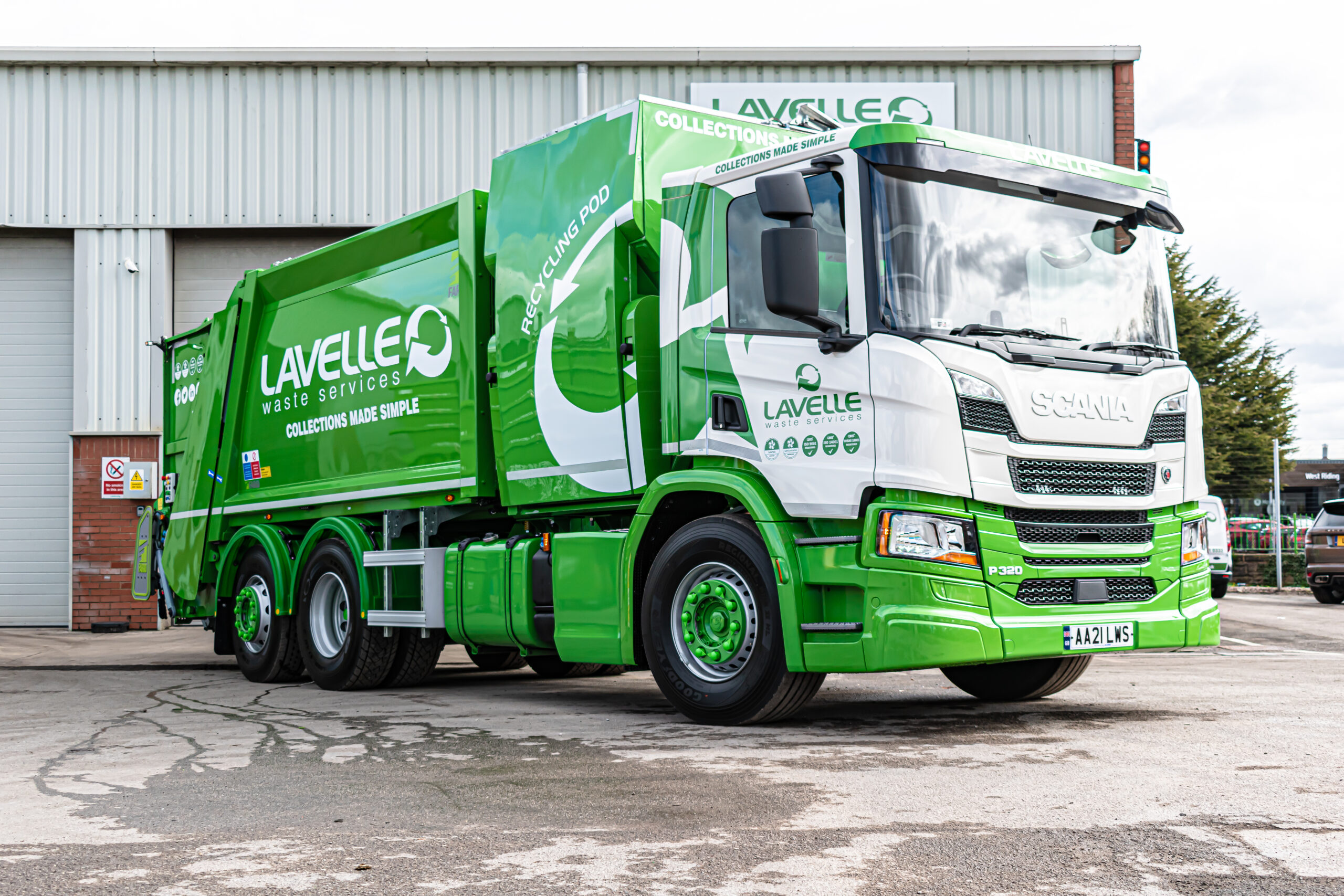
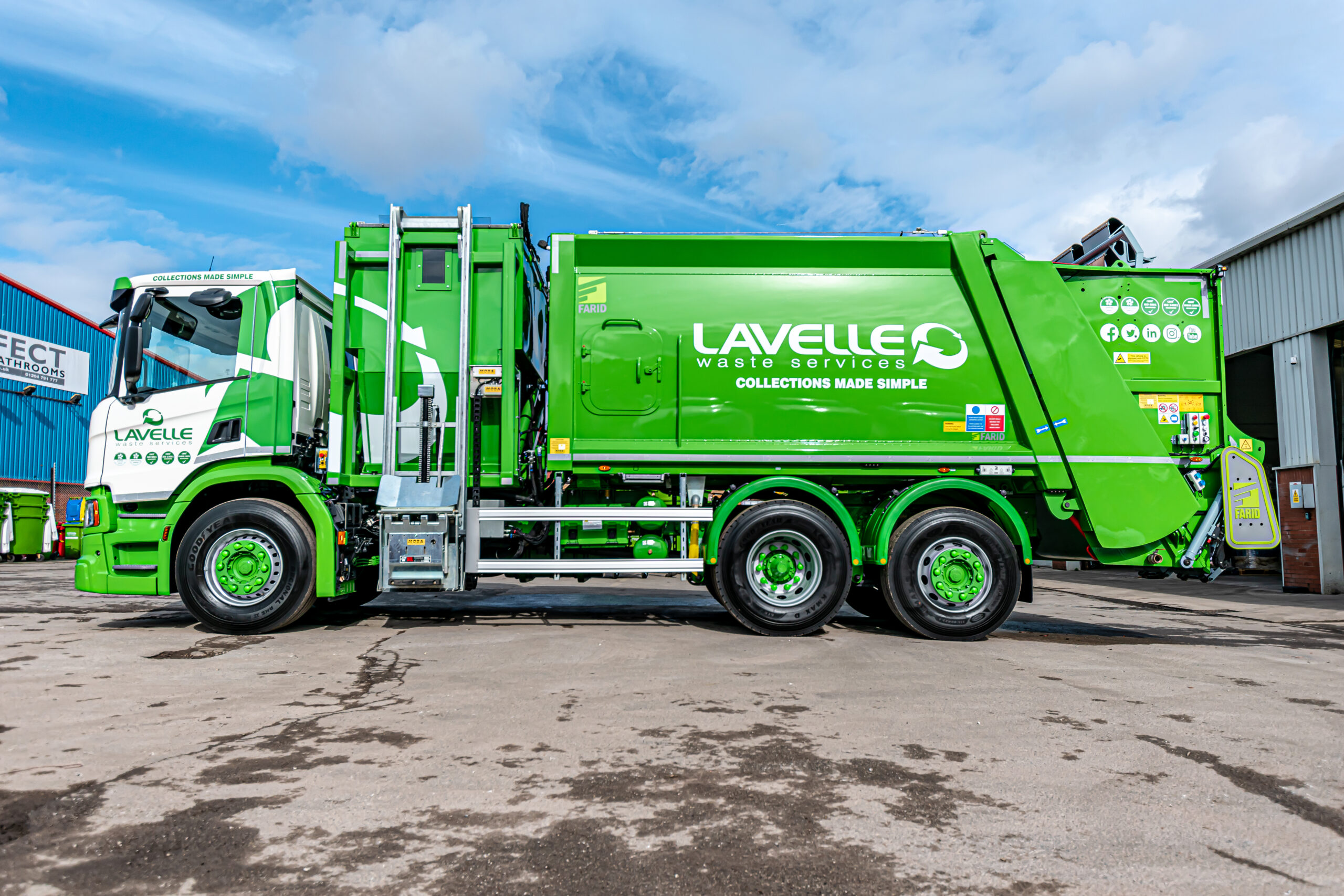
Lavelle Waste Services has employed MOBA’s Dynamic Bin Weighing technology to boost profitability and improve overall customer satisfaction.

“We really appreciate MOBA's flexibility. Their engineers know to work around our schedules so that there’s hardly any disruption to collections and means we can keep our trucks on the road maintaining service levels”.

Waste management companies are currently experiencing significant pressure on their margins due to higher waste disposal costs and falling commodity values. It’s no wonder then that savvy waste collectors are adopting technology that will ensure that they stay in profit.

With the cost of waste disposal set to grow exponentially, one such operator, Lavelle Waste Services, realised that bin weighing would be a key factor in achieving profitability and so has turned to specialist waste technology specialists, MOBA.

Lavelle Waste Services Ltd has a rich history dating back to 1976, culminating in the third generation of the family now running their Bolton-based waste collection and recycling business.

The company has prided itself on constantly investing in new equipment and technology that makes it far easier, and more cost-effective, for its customers to increase their recycling rates and improve sustainability targets. Its modern fleet of vehicles is fitted with the very latest safety and security features including, crucially, MOBA’s trade-approved weighing systems.

“Being highly competitive and service driven is at the heart of everything we do”, explains Andy Tickle, Fleet Manager at Lavelle Waste Services Ltd.

“At the same time, we also need to ensure that each bin collected weighs no more than that contractually agreed. Otherwise we would be making a loss, and which is why its paramount that we also collect accurate bin data”, added Andy.

Waste management data has quickly become a staple requirement for many businesses, who are keen to know how much they are throwing away, and what this consists of.

“Using MOBA’s bin weighing system, we can precisely show customers the weight of their general waste compared to that of their recycling streams”, says Andy.

“This allows us then to explore ways of helping them reduce the volume of general waste, by offering dedicated glass or food waste bins, which, thereby, greatly increases their overall recycling rates and cost savings”.

Such is the importance of this data, it has become essential that if issues occur, then they are resolved quickly.

Andy comments, “What I really like about MOBA is that when we raise a support ticket, it gets looked at immediately. Because the equipment is constantly connected to the cloud, they can investigate any issues remotely, and can often resolve them without having to attend in person. Moreover, if they do need to visit then nine times out of ten they already know where the issue lies, which means that turnaround is very quick”.


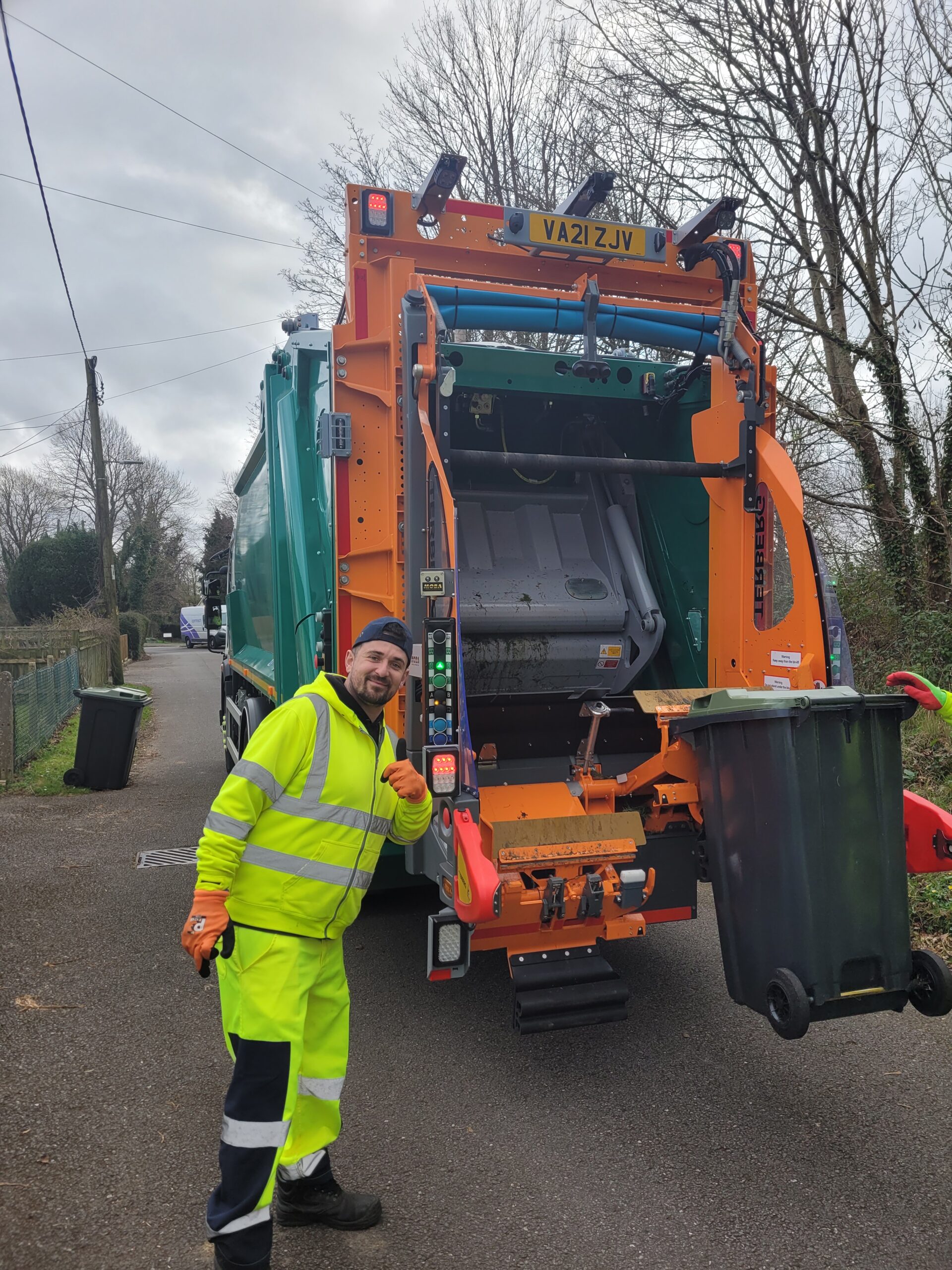
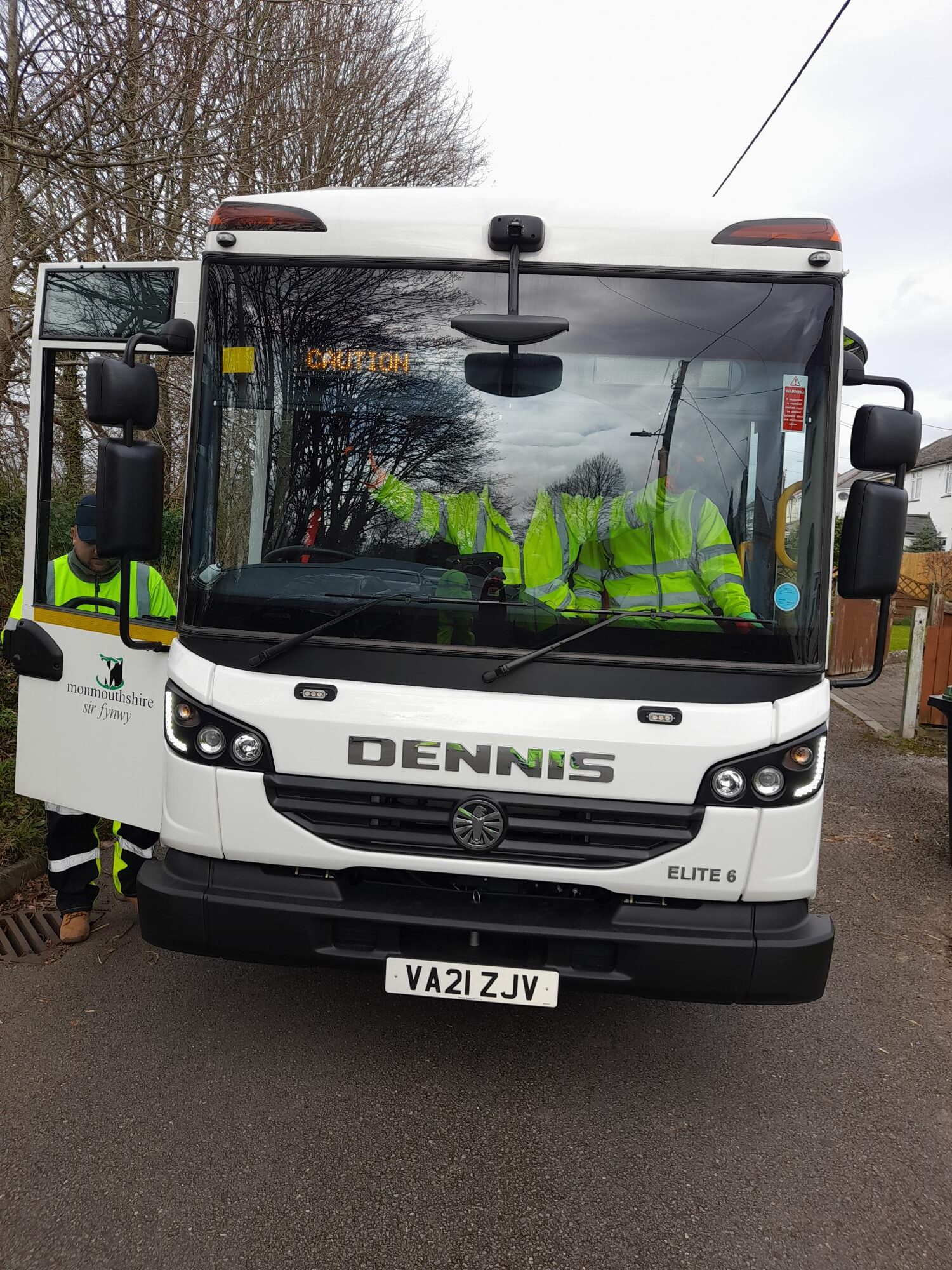
Monmouthshire Council tags with MOBA to deliver a more efficient garden waste service

Monmouthshire Council tags with MOBA to deliver a more efficient garden waste service

Our RFID technology has helped Monmouthshire Council to launch a new green waste service that has enabled them to both reduce costs and save on operational handling.

‘We ultimately chose MOBA because they offered a simple, straightforward process for managing the bins’

An overwhelming majority of councils throughout the UK operate a paid-for garden waste collection service. One of these is Monmouthshire Council, which has long since operated such a service but has increasingly found that managing permits was both cumbersome and expensive.

Now, the council has partnered with waste technology specialists MOBA to trial a new service that dispenses with paper permits and, instead, enables its waste vehicles to immediately identify which customers bins have been paid for, and those that have not.

‘At the end of 2019, we decided to move away from the bags in favour of a simpler, more environmentally friendly, and more cost- effective service,’ explains Senior Collections Officer for Monmouthshire Council, Dewi Lane. ‘The permits were an issue, and they cost us a considerable amount of money – up to £30,000 a year to print and post them to customers. They were not very sustainable either, so we decided to swap to a wheeled bin service.’

A technology solution was needed to enable the council to achieve this and so went to the market in 2020 in search of willing partners to take on the challenge. ‘We ultimately chose MOBA because they offered a simple, straightforward process for managing the bins’ says Dewi. ‘The price was very reasonable, and they were all singing from the right hymn sheet.’

In addition to a paperless service, Dewi says that there will also be considerable cost savings. Previously, permits were printed and posted out to each resident, which would have cost the council £300,000 over a decade. ‘The MOBA system will cost us a little bit more money in the first year, but it will save us a great deal over the lifetime of the bins’.

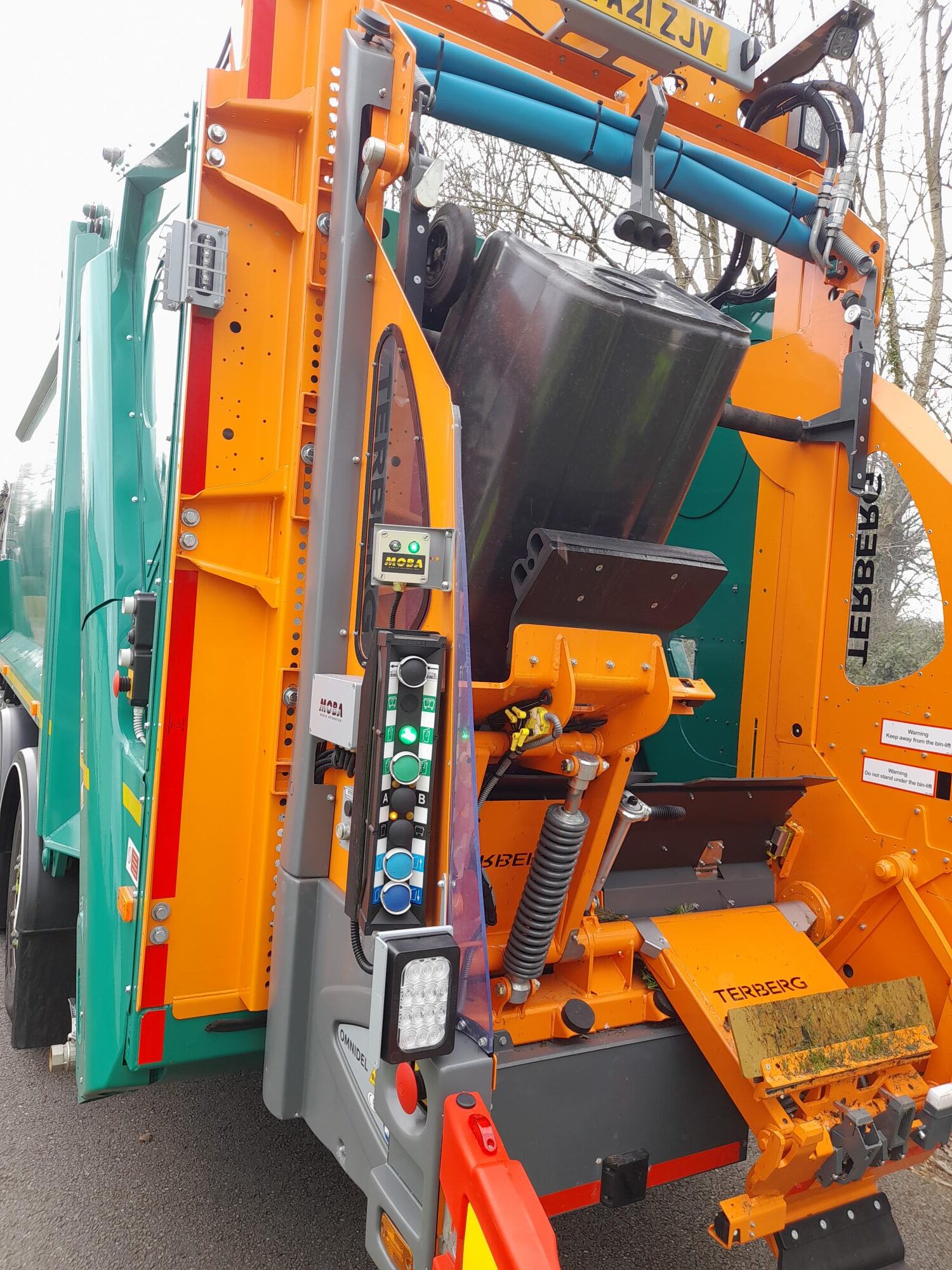
MOBA has now implemented its RFID systems on two of the council’s collection vehicles so far, with a further four vehicles being added over the next year.  Each bin is also chipped so that once the bin is presented to the vehicle, readers on both sides of the lifters will independently check each bin to ensure its valid before it is emptied, without any hold-ups or loss of time. If the readers identify any issues with the bin, it will stop the lifter and flash the crew’s red light. The staff will know that the bin has been blocked for some reason and the team will return the bin to the curbside. Council management can then investigate reasons why it has not been emptied; with the likelihood being that the customer no longer has a valid subscription.

This system now ensures that only paying customers’ bins are collected. Once a customer stops paying for the service, their bin goes on the blacklist, and this is then communicated to all vehicles. Should a blacklisted bin be picked up, the override system will prevent it from being emptied. Customers will be moved back onto the green list when they renew their subscriptions at the start of the new season.

According to Dewi, “If a customer reports that their bin has not been collected, Monmouthshire can double-check that the subscription has been paid for and if the customer is on the correct list. This enables the service to be run more effectively and efficiently, creating cost savings for the council.”

We are still very much in the inception phase of this project. Our garden waste service operates on an annual subscription model from February to November. At the end of November, when we stop garden waste collection, we will blacklist all the microchips in customers’ bins. Next year, around February, when we start collecting again, we will start to greenlight those chips as and when people register for the service.’

MOBA’s Managing Director, Stuart Sargeant, explains that moving customers on and off the list is easily managed through the RFID system, with the added benefit of providing real-time and collection data to Dewi and his team.

‘The team can run reports from the system to see what has been collected, and queries can be resolved by checking a customer’s current status. For example, if a customer reports that their bin has not been collected, Monmouthshire can double-check that the subscription has been paid for and if the customer is on the correct list. This enables the service to be run more effectively and efficiently, creating cost savings for the council.’

The system will come into full operation in March 2022, once Monmouthshire’s vehicle replacement programme is complete.

Dewi explains: ‘When we re-start the service in early 2022, the chips will become necessary. Our crews in Caldicot have already got the readers on their vehicles and they have been carrying out the garden waste bin collection since March 2021. The Abergavenny and Monmouth crews receive their new vehicles in September, and MOBA will include the RIFD reading equipment then’.

‘MOBA worked very hard to get the microchips ready and to get the system up and running for us. They couldn’t have done any more. I think they have been excellent.’